


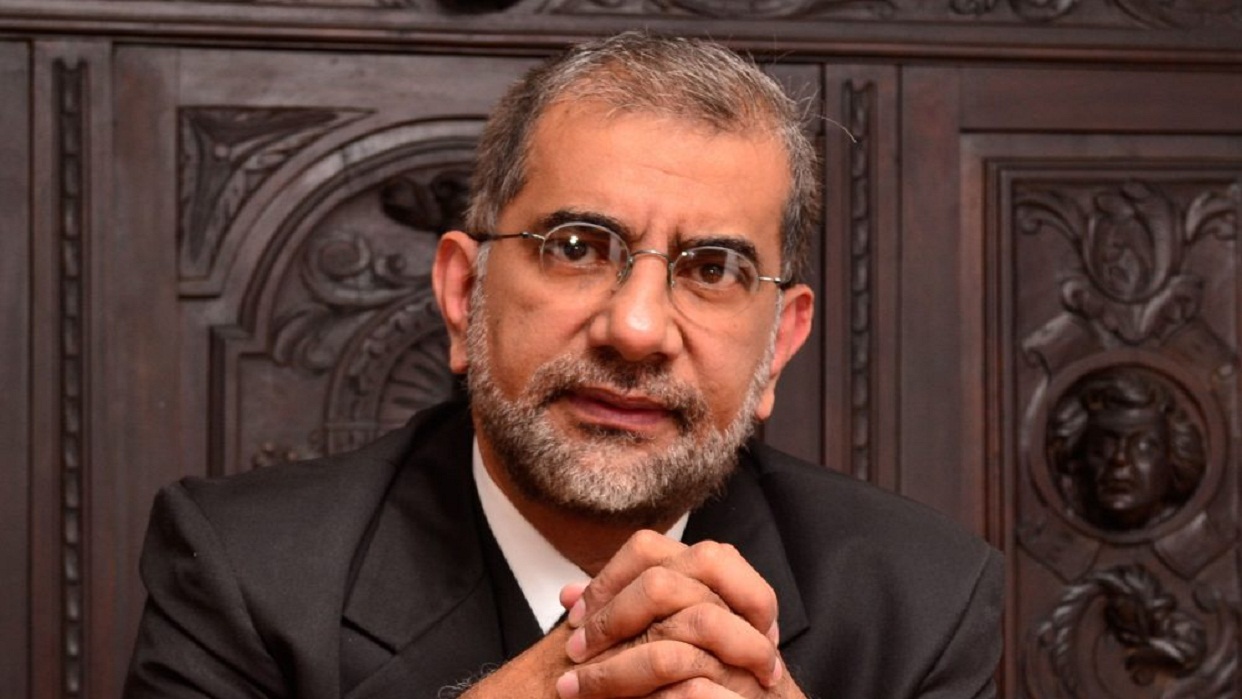

Caracas.- El economista Víctor Álvarez ofreció una explicación magistral de cómo puede Venezuela aprovechar el alza de precios petroleros en medio de la lamentable situación que vive Ucrania tras la invasión militar que ordenó el presidente de Rusia, Vladimir Putin y precisó cuáles son los pasos para que la economía venezolana no se precipite nuevamente a la crisis cuando cese el conflicto bélico.
Álvarez fue el ponente principal del conversatorio de este lunes que lleva a cabo desde la semana pasada el Centro de Políticas Públicas Ifedec, rumbo a su aniversario número 60. Álvarez presentó un impecable balance de lo que fue la economía venezolana el año pasado y las perspectivas para este año 2022, dice la nota de prensa.
En principio, Álvarez destacó que los últimos meses de 2021 marcaron el inicio de la recuperación económica, pese a que Venezuela sigue teniendo una de las inflaciones más altas del mundo. "En 2021, creció por primera vez entre 4 y 5% la economía, así que una economía que había dejado de pesar 100 kilos para pesar 20 kilos por siete años de continua recesión, en 2021 aumentó y llegó a estar en 21 kilos".
Álvarez fue el ponente principal del conversatorio de este lunes que lleva a cabo desde la semana pasada el Centro de Políticas Públicas Ifedec, rumbo a su aniversario número 60. Álvarez presentó un impecable balance de lo que fue la economía venezolana el año pasado y las perspectivas para este año 2022, dice la nota de prensa.
En principio, Álvarez destacó que los últimos meses de 2021 marcaron el inicio de la recuperación económica, pese a que Venezuela sigue teniendo una de las inflaciones más altas del mundo. "En 2021, creció por primera vez entre 4 y 5% la economía, así que una economía que había dejado de pesar 100 kilos para pesar 20 kilos por siete años de continua recesión, en 2021 aumentó y llegó a estar en 21 kilos".
En este sentido, subrayó que no comparte la tesis de que en Venezuela no habrá reactivación económica hasta que no haya un cambio político, ya que esta afirmación "no rinde cuenta de la cantidad de cambios que se están produciendo y que están generando muchas consecuencias y están dando nuevas tendencias. El país viene de esos años donde existía un rígido control de cambio, un ruinoso control de precios que obligaron a empresas a vender por debajo de los costos de producción, lo que generó escasez. Fueron esos horribles años de 2016, 2017 y hasta 2018 donde era difícil conseguir un jabón, pasta dental y hasta Losartan para quienes sufrimos de la tensión. Fue un modelo basado en una ola de expropiaciones y que finalmente dejó a decenas de empresas quebradas por el burocrátismo y la corrupción", fustigó.
Pero todo esto ha quedado atrás y el 2022 se vislumbra como otro año de recuperación económica, gracias a el levantamiento del control de cambio, la eliminación de la Ley de Ilícitos Cambiarios, la desregulación y liberalización, la dolarización transaccional, la apertura a la privatización y a la inversión extranjera, precisó Álvarez.
Además, ha aumentado la exportación de petróleo, han sido más de 700 mil barriles diarios de producción en promedio en 2021, lo que le da un amplio margen de maniobra a Petróleos de Venezuela (PDVSA) y al gobierno para compensar el ruinoso descuento que debe conceder a quienes le compran crudo debido a las sanciones impuestas por Estados Unidos.
¿Cuál podría ser el freno?
Álvarez explicó que las sanciones vienen afectando el desempeño del sector privado y estas podrían "frenar" la consolidación de esta recuperación económica.
"Las sanciones individuales han tenido una fuerte repercusión sobre la empresa privada, Ongs, fundaciones, etc, no han podido recibir pagos, realizar pagos, han sido víctimas de diferimiento de pedidos, suspensión de pedidos por ser de origen venezolano, o empresas han cancelador órdenes de compra de materia prima, insumos, equipos. No las mandan porque nadie quiere correr el riesgo de ser sancionado por la OFAC porque sufren mayores exigencias y hay una perdida de fuentes de financiamiento. Además, han perdido cuentas porque se las han cerrado".
Estos datos han sido aportados por diferentes representantes de la industria y el comercio venezolano: Jorge Roig -miembro del Consejo de administración de la OIT-, Francisco Martínez -ex presidente de Fedecámaras-, Reinaldo Quintero -presidente de la Cámara Petrolera de Venezuela-, entre otros.
Pero todo esto ha quedado atrás y el 2022 se vislumbra como otro año de recuperación económica, gracias a el levantamiento del control de cambio, la eliminación de la Ley de Ilícitos Cambiarios, la desregulación y liberalización, la dolarización transaccional, la apertura a la privatización y a la inversión extranjera, precisó Álvarez.
Además, ha aumentado la exportación de petróleo, han sido más de 700 mil barriles diarios de producción en promedio en 2021, lo que le da un amplio margen de maniobra a Petróleos de Venezuela (PDVSA) y al gobierno para compensar el ruinoso descuento que debe conceder a quienes le compran crudo debido a las sanciones impuestas por Estados Unidos.
¿Cuál podría ser el freno?
Álvarez explicó que las sanciones vienen afectando el desempeño del sector privado y estas podrían "frenar" la consolidación de esta recuperación económica.
"Las sanciones individuales han tenido una fuerte repercusión sobre la empresa privada, Ongs, fundaciones, etc, no han podido recibir pagos, realizar pagos, han sido víctimas de diferimiento de pedidos, suspensión de pedidos por ser de origen venezolano, o empresas han cancelador órdenes de compra de materia prima, insumos, equipos. No las mandan porque nadie quiere correr el riesgo de ser sancionado por la OFAC porque sufren mayores exigencias y hay una perdida de fuentes de financiamiento. Además, han perdido cuentas porque se las han cerrado".
Estos datos han sido aportados por diferentes representantes de la industria y el comercio venezolano: Jorge Roig -miembro del Consejo de administración de la OIT-, Francisco Martínez -ex presidente de Fedecámaras-, Reinaldo Quintero -presidente de la Cámara Petrolera de Venezuela-, entre otros.
En palabras de Álvarez, la guerra que declaró Rusia a Ucrania se ha convertido en un factor acelerador de los cambios económicos que podrían favorecer a Venezuela. "Las sanciones que están registrando ahora las exportaciones de petróleo y gas ruso están teniendo repercusiones sobre todo en consumidores porque han subido los precios del barril de petróleo y estiman que podría alcanzar hasta 150 dólares o 200 dólares por barril".
"Esto es un impacto muy grande para los consumidores y empresas de Estados Unidos porque si sube el precio del combustible, de la gasolina de avión, aumentan los pasajes aéreos, aumenta la energía y cuando llegue el invierno y los hogares deban pagar calefacción esto generará un altísimo costo electoral para los demócratas en las elecciones de noviembre", planteó.
Y este sería justamente el principal motivo del acercamiento de delegados de la Casa Blanca al gobierno de Maduro. "Se da una negociación directa de gobierno a gobierno, donde se podría dar el canje de levantar sanciones a la industria petrolera con la condición de suministro de petróleo por parte de Venezuela, y así sustituir los 670 mil barriles diarios que EEUU le estaba comprando a Rusia".
A partir de esto, Álvarez describe que Venezuela podría obtener ciertos beneficios de este lamentable escenario en el que a diario mueren decenas de civiles y militares. "Si se llegase a cumplir que EEUU levante sanciones, que PDVSA recupere el mercado y pueda colocar 700 mil barriles diarios y que este escenario se mantenga por uno o dos años, el país podría indigestarse de divisas, tener dólares baratos que estimulen las importaciones. Es decir, una siniestra fortuna porque saldría favorecido como ha pasado cada vez que ocurre una tragedia como una guerra en el mundo, porque sube el petróleo y los países exportadores terminan triplicando sus ingresos sin tener necesidad de intensificar la producción porque el petróleo se vende al doble".
Sin embargo, Álvarez es claro al asegurar que Venezuela no está preparada para encarar una "crisis de abundancia", por lo que es apremiante que la sociedad civil y la opinión pública debatan sobre el tema.
"Es momento oportuno para poder retomar la idea de la creación de un fondo de estabilización macroeconómica. Esta es la tarea de la opinión pública, de la sociedad civil. Venezuela va a recibir en los próximos años un boom de ingresos rentísticos y lo que tenemos que evitar es que se repita la historia del pasado. Un país que no ahorró, que no se preparó para la escasez y cuando llegó el tiempo de las vacas flacas no tenía recursos".
"Ojalá este aumento pueda ser aprovechado para hacer lo que antes no se hizo y es importante recordar el ejemplo exitoso del Fondo Noruego de Inversiones que fue creado en 1992".
Según explicó Álvarez, estos fondos funcionan de la siguiente forma: el gobierno de turno solo está autorizado para usar como fuente complementaria del presupuesto nacional los rendimientos derivados de inversiones que hace dicho fondo. Se define un criterio con un precio de petróleo y todo dólar que entre va para ese fondo y ese fondo no se gasta, sino que se invierte en industria, en el sector inmobiliario. Esto genera rendimiento y garantiza que el gobierno solo use un porcentaje para completar su presupuesto, lo demás deberá ser financiado con aportes de los contribuyentes".
Siguenos en
Telegram,
Instagram,
Facebook y
Twitter
para recibir en directo todas nuestras actualizaciones