


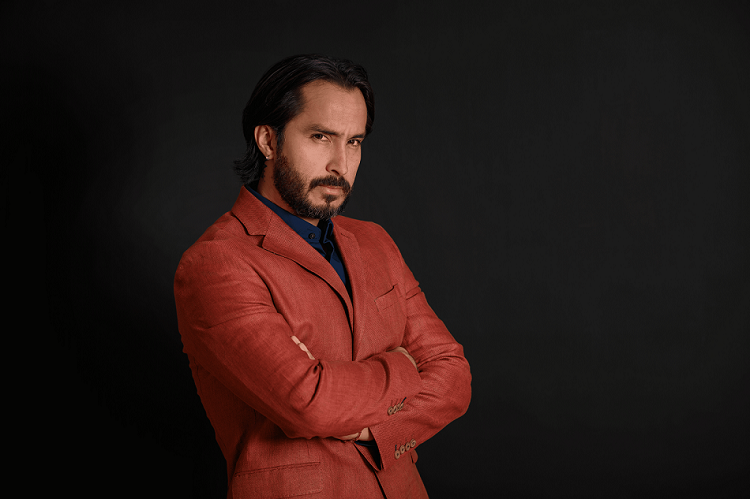

Aunque su camino no ha sido fácil, hoy es todo un crack dentro del área del marketing nacional. Por ello, nos comparte su historia para mostrarnos que “Los sueños se logran si se trabaja en ellos”, externó.
Alejandro de la Cruz nació en la Ciudad de México. Proveniente de una familia de bajos recursos que le enseñó a trabajar para salir adelante. A sus 17 años de edad, comenzó sus primeros pasos en la comunicación al laborar como reportero en periódicos locales de Chiapas y Veracruz, donde redactó notas y aprendió de fotografías. “No fue fácil el camino, pero agradezco que la vida me haya colocado en los medios de comunicación porque logré comprender que eran mi pasión y que estaba dispuesto a seguir aprendiendo y creciendo dentro de este ambiente”, expresó.
Su carisma y facilidad para relacionarse con los demás le abrieron las puertas en el mundo de la publicidad, ámbito en el cual se ha mantenido gracias a su potencial y la creatividad que llevaba guardada.
Rocks de la Cruz descubrió que necesitaba crear un lugar en el cual los artistas se sintieran satisfechos con los resultados generados, un espacio que permitiera explotar el talento de él y que se viera reflejado en cada uno de los proyectos que llegarán a su vida, así que junto a su cómplice Alex Campos, Rocks de la Cruz creó un espacio donde los talentos (artistas, creadores de contenido, deportistas, conferencistas, etcétera.) son representados bajo todos los protocolos que cuidan su imagen. Ofreciéndole al público contenido auténtico. “Hoy en día contamos con un catálogo de más de 900 líderes de opinión”, declaró.
Actualmente, su empresa The Offline se ubica en la Ciudad de México, y es considerada como una de las 3 principales agencias que tiene proyecto con la aplicación Kwai en América Latina. “Se puede llegar lejos, si se quiere. Todo está en quitarnos los límites y ponernos a dar pasos, aunque estos sean pequeños porque con el paso del tiempo, la recompensa es grande”, concluyó el emprendedor.
Redes sociales: @rockstarxm
Alejandro de la Cruz nació en la Ciudad de México. Proveniente de una familia de bajos recursos que le enseñó a trabajar para salir adelante. A sus 17 años de edad, comenzó sus primeros pasos en la comunicación al laborar como reportero en periódicos locales de Chiapas y Veracruz, donde redactó notas y aprendió de fotografías. “No fue fácil el camino, pero agradezco que la vida me haya colocado en los medios de comunicación porque logré comprender que eran mi pasión y que estaba dispuesto a seguir aprendiendo y creciendo dentro de este ambiente”, expresó.
Su carisma y facilidad para relacionarse con los demás le abrieron las puertas en el mundo de la publicidad, ámbito en el cual se ha mantenido gracias a su potencial y la creatividad que llevaba guardada.
Rocks de la Cruz descubrió que necesitaba crear un lugar en el cual los artistas se sintieran satisfechos con los resultados generados, un espacio que permitiera explotar el talento de él y que se viera reflejado en cada uno de los proyectos que llegarán a su vida, así que junto a su cómplice Alex Campos, Rocks de la Cruz creó un espacio donde los talentos (artistas, creadores de contenido, deportistas, conferencistas, etcétera.) son representados bajo todos los protocolos que cuidan su imagen. Ofreciéndole al público contenido auténtico. “Hoy en día contamos con un catálogo de más de 900 líderes de opinión”, declaró.
Actualmente, su empresa The Offline se ubica en la Ciudad de México, y es considerada como una de las 3 principales agencias que tiene proyecto con la aplicación Kwai en América Latina. “Se puede llegar lejos, si se quiere. Todo está en quitarnos los límites y ponernos a dar pasos, aunque estos sean pequeños porque con el paso del tiempo, la recompensa es grande”, concluyó el emprendedor.
Redes sociales: @rockstarxm
Siguenos en
Telegram,
Instagram,
Facebook y
Twitter
para recibir en directo todas nuestras actualizaciones