


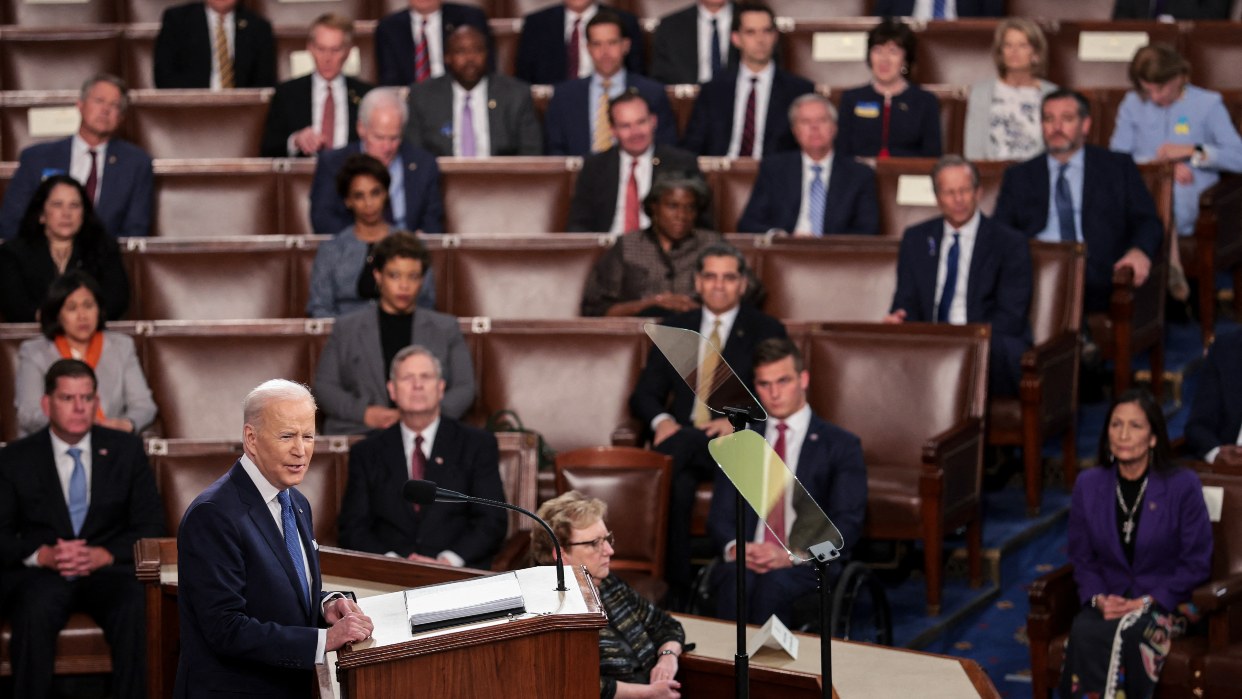

Washington.- El presidente Joe Biden decretó este martes un embargo sobre la importación estadounidense de petróleo y gas rusos, para aumentar las sanciones impuestas a Rusia y "asestar otro duro golpe" al presidente Vladimir Putin.
Casi simultáneamente, el Reino Unido anunció que suspenderá las importaciones energéticas de Rusia antes de finales de 2022. Y en Bruselas, la Unión Europea (UE) dio a conocer que tiene la intención de reducir este año en dos tercios sus importaciones de gas de Rusia, antes de una cumbre del bloque en la que se examinará cómo poner fin a la dependencia de los hidrocarburos rusos, destacó AFP.
Esta decisión se tomó "en estrecha coordinación" con los aliados de Estados Unidos, precisó Biden. "No contribuiremos a subvencionar la guerra de Putin".
Por el momento, Europa se niega a decretar un embargo sobre estas importaciones rusas, que cubren el 40% de sus necesidades de gas natural y el 30% de petróleo.
Estados Unidos es un exportador neto de energía, es decir que produce más petróleo y gas del que consume, recordó Biden. "Podemos tomar esta decisión, mientras que otros no pueden".
"Pero trabajamos estrechamente con Europa y nuestros socios para poner en marcha una estrategia a largo plazo para reducir su dependencia de la energía rusa", dijo.
Bien sabe que esta estrategia podría beneficiar a Estados Unidos, que exporta gas natural licuado a Europa, una posible alternativa al gas ruso.
"Seguimos unidos en nuestra intención de mantener una presión creciente sobre Putin y su maquinaria de guerra", agregó el jefe de Estado estadounidense.
Los precios del petróleo continuaron su subida imparable tras el anuncio.
El barril de Brent del mar del Norte para entrega en mayo cerró con alza de 3,87% en Londres a 127,98 dólares. Y en Nueva York el barril de West Texas Intermediate (WTI) para abril ganó 3,60% a 123,70 dólares.
Anuncio unilateral
Casi simultáneamente, el Reino Unido anunció que suspenderá las importaciones energéticas de Rusia antes de finales de 2022. Y en Bruselas, la Unión Europea (UE) dio a conocer que tiene la intención de reducir este año en dos tercios sus importaciones de gas de Rusia, antes de una cumbre del bloque en la que se examinará cómo poner fin a la dependencia de los hidrocarburos rusos, destacó AFP.
Esta decisión se tomó "en estrecha coordinación" con los aliados de Estados Unidos, precisó Biden. "No contribuiremos a subvencionar la guerra de Putin".
Por el momento, Europa se niega a decretar un embargo sobre estas importaciones rusas, que cubren el 40% de sus necesidades de gas natural y el 30% de petróleo.
Estados Unidos es un exportador neto de energía, es decir que produce más petróleo y gas del que consume, recordó Biden. "Podemos tomar esta decisión, mientras que otros no pueden".
"Pero trabajamos estrechamente con Europa y nuestros socios para poner en marcha una estrategia a largo plazo para reducir su dependencia de la energía rusa", dijo.
Bien sabe que esta estrategia podría beneficiar a Estados Unidos, que exporta gas natural licuado a Europa, una posible alternativa al gas ruso.
"Seguimos unidos en nuestra intención de mantener una presión creciente sobre Putin y su maquinaria de guerra", agregó el jefe de Estado estadounidense.
Los precios del petróleo continuaron su subida imparable tras el anuncio.
El barril de Brent del mar del Norte para entrega en mayo cerró con alza de 3,87% en Londres a 127,98 dólares. Y en Nueva York el barril de West Texas Intermediate (WTI) para abril ganó 3,60% a 123,70 dólares.
Anuncio unilateral
Según medios de comunicación japoneses, Japón también considera, entre otras opciones, la aplicación de un embargo a las importaciones energéticas rusas.
Las compañías petroleras anuncian una tras otra que se retiran de Rusia. El martes lo hizo Shell, que siguió los pasos de BP, ExxonMobil o la italiana Eni.
El petróleo ruso representa solo el 8% de las importaciones estadounidenses y el 4% del consumo de productos derivados del crudo en Estados Unidos, que no importa gas ruso. Incluso antes de la invasión de Ucrania, las importaciones estadounidenses ya se habían reducido considerablemente.
Al comienzo Biden parecía dudar de un embargo, porque podría acelerar una inflación ya de por sí galopante, pero la presión del Congreso era fuerte.
Los congresistas estadounidenses habían comenzado a preparar un proyecto de ley para prohibir la importación de petróleo y de gas ruso que contaba con el visto bueno de la mayoría demócrata y de la oposición republicana, una sintonía inusual en un país muy dividido políticamente.
Gasolina bate récord
Las compañías petroleras anuncian una tras otra que se retiran de Rusia. El martes lo hizo Shell, que siguió los pasos de BP, ExxonMobil o la italiana Eni.
El petróleo ruso representa solo el 8% de las importaciones estadounidenses y el 4% del consumo de productos derivados del crudo en Estados Unidos, que no importa gas ruso. Incluso antes de la invasión de Ucrania, las importaciones estadounidenses ya se habían reducido considerablemente.
Al comienzo Biden parecía dudar de un embargo, porque podría acelerar una inflación ya de por sí galopante, pero la presión del Congreso era fuerte.
Los congresistas estadounidenses habían comenzado a preparar un proyecto de ley para prohibir la importación de petróleo y de gas ruso que contaba con el visto bueno de la mayoría demócrata y de la oposición republicana, una sintonía inusual en un país muy dividido políticamente.
Gasolina bate récord
Joe Biden quiso adelantarse a los legisladores, quizás para aprovechar el aumento de popularidad que le otorgan los sondeos por la forma en la que gestiona la guerra en Ucrania.
"Es la decisión correcta", dijo el senador republicano de Texas Ted Cruz en CNBC. "El siguiente paso es trabajar con Europa para hacer lo mismo, dejar de lado el petróleo y el gas rusos".
"Vamos a ver un aumento en los precios del combustible aquí en Estados Unidos", advirtió en CNN el senador demócrata Chris Coons, y "en Europa habrá subidas espectaculares. Es el precio de la defensa de la libertad y del apoyo al pueblo ucraniano".
El precio de la gasolina tocó un nuevo máximo histórico el martes en Estados Unidos: el galón (3,78 litros) vale un promedio de 4,17 dólares, según la Asociación de Automovilistas AAA. En un mes, el precio medio subió un 20%.
En concreto, Estados Unidos prohíbe las importaciones de crudo ruso, pero también de determinados derivados del petróleo, gas natural licuado y carbón.
La Casa Blanca explicó que la prohibición se aplicará a cualquier nueva compra, pero se da un plazo de 45 días para liquidar los contratos cerrados.
"Es la decisión correcta", dijo el senador republicano de Texas Ted Cruz en CNBC. "El siguiente paso es trabajar con Europa para hacer lo mismo, dejar de lado el petróleo y el gas rusos".
"Vamos a ver un aumento en los precios del combustible aquí en Estados Unidos", advirtió en CNN el senador demócrata Chris Coons, y "en Europa habrá subidas espectaculares. Es el precio de la defensa de la libertad y del apoyo al pueblo ucraniano".
El precio de la gasolina tocó un nuevo máximo histórico el martes en Estados Unidos: el galón (3,78 litros) vale un promedio de 4,17 dólares, según la Asociación de Automovilistas AAA. En un mes, el precio medio subió un 20%.
En concreto, Estados Unidos prohíbe las importaciones de crudo ruso, pero también de determinados derivados del petróleo, gas natural licuado y carbón.
La Casa Blanca explicó que la prohibición se aplicará a cualquier nueva compra, pero se da un plazo de 45 días para liquidar los contratos cerrados.
Siguenos en
Telegram,
Instagram,
Facebook y
Twitter
para recibir en directo todas nuestras actualizaciones