


Decenas de miles de mujeres marchan en Madrid por un feminismo "inclusivo" y en recuerdo de Ucrania
La Comisión 8M ha defendido su convocatoria, ante la división del movimiento, que se ha materializado en dos marchas distintas en la capital española


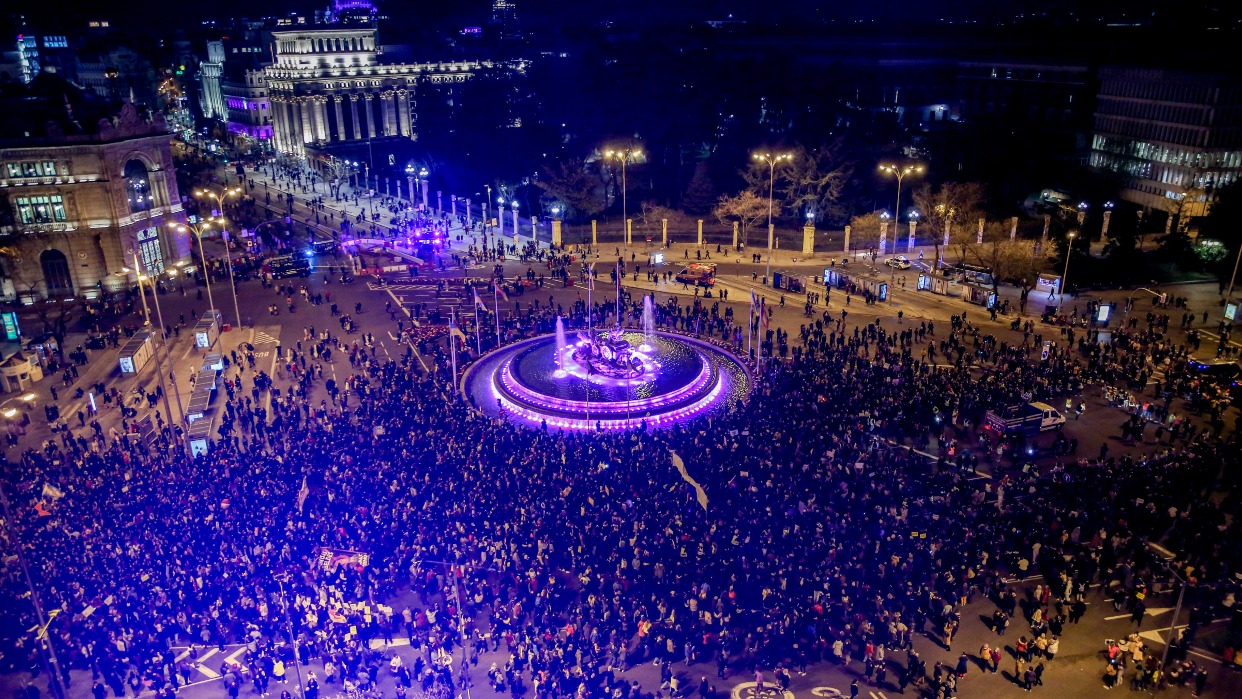

Madrid.- Decenas de Miles de mujeres, y también hombres -50.000 según la delegación del Gobierno y 100.000 según las organizadoras- han acompañado en Madrid a la Comisión 8M, que defiende un feminismo "inclusivo", desde Atocha hasta la Plaza de Colón de Madrid bajo el lema 'Derechos para todas, todos los días'.
La manifestación, en la que en general se ha cumplido con el uso de las mascarillas, ha arrancado a las 18.50 con el grito "Estamos de vuelta en la calle" y con gritos a favor del "feminismo antirracista", en recuerdo de las "asesinadas" por violencia de género y por las mujeres que durante la pandemia se han dedicado a los cuidados, reseñó Europa Press.
También se han visto, nada más empezar, gestos contra la invasión rusa de Ucrania, con el lanzamiento de pequeños papeles con la palabra 'Paz' escrita. "Que nos escuchen nuestras hermanas chilenas, argentinas, peruanas, ucranianas, rusas, afganas, saharauis y palestinas", han pedido desde la organización.
La Comisión 8M ha defendido su convocatoria, ante la división del movimiento, que se ha materializado en dos marchas distintas en la capital española. "Esta es la mani de todos los años, la mani de siempre, de la Comisión del 8M, que es la que convoca históricamente", ha asegurado Julia Tabernero, una de las 'voceras'.
'No a la Guerra' y 'OTAN NO'
La guerra ha estado muy presente en la marcha que ha hecho el recorrido entre Atocha y Colón, en donde se han oído gritos de 'No a la guerra'. También se han visto pancartas con lemas 'Stop Putin','Stop War' o pidiendo la paz. También se han visto mensajes contra la OTAN o llamando a la "acogida" de los refugiados ucranianos.
"Estamos con las ucranianas que resisten el horror de la ocupación, pero también con las mujeres rusas que luchan para frenar la invasión armada", ha declarado la portavoz de la organización a su llegada a Colón, en donde también han llamado a estar con las saharauis, las sirias y "todas las mujeres que en todo el mundo luchan por la paz".
También se ha recordado en numerosas ocasiones que esta convocatoria es la "inclusiva" y la "unitaria", con cánticos que reivindican que sin la presencia de las mujeres trans "no hay feminismo". "Mujeres con pene, mujeres con vagina, hay más mujeres de las que te imaginas", han vitoreado las participantes.
Además, se ha recordado a las asesinadas por violencia de género, con los clásicos gritos de 'No estamos solas faltan las asesinadas' y se ha celebrado que "el feminismo ha vuelto a la calle" dos años después y tras la pandemia y se ha recordado a quienes han luchado durante la pandemia, especialmente en el sector de los cuidados.
En este sentido, se ha pedido un aplauso para las mujeres que no han podido marchar por estar cuidado a hijos o familiares.
Entre las participantes, Ilia, Sofía, Naia Inés y Sandra, de 13 años (acompañadas de sus padres), han explicado a Europa Press es la segunda vez que participan en esta manifestación y lo hacen porque ven "importante defender los derechos de las mujeres" y que "se les dé una voz".
"La lucha no es de género, ha explicado Leire, una habitual de la manifestación. Su hija, de 8 años, ha explicado que estaba en esta marcha para luchar por que "las mujeres sean libres".
Durante la lectura del manifiesto de la Comisión 8M se han escuchado, además, pitidos cuando las voceras han recordado que, anteriormente, en la plaza de Colón se han reunido "la derecha y la ultraderecha". También ha habido abucheos al paso del Palacio de Cibeles, sede del Ayuntamiento de Madrid, en donde, según señaló la megafonía de la organización, no se realizan políticas feministas y se acoge a los negacionistas de la violencia de género.
PRESENCIA POLÍTICA
Esta convocatoria es la que ha reunido a la mayoría de las fuerzas políticas y a representantes del Gobierno, puesto que las dos formaciones que sustentan al Ejecutivo, PSOE y Podemos, han acudido a esta marcha.
Hasta siete ministras socialistas lideran la comitiva de la formación: la vicepresidenta primera y ministra de Asuntos Económicos y Transformación Digital, Nadia Calviño, la ministra de Sanidad, Carolina Darias, la de de Política Territorial y Portavoz del Gobierno, Isabel Rodríguez, la de Justicia, Pilar Llop, la responsable de Educación, Pilar Alegría, y sus homólogas de Ciencia e Innovación y Transportes, Movilidad y Agenda Urbana, Diana Morant y Raquel Sánchez, respectivamente.
El principal partido del Ejecutivo, que lleva su propia pancarta con el lema '8M, Más feminismo, mejor democracia', también estará representado por dirigentes de la formación, como su vicesecretaria general, Adriana Lastra, la secretaria de Igualdad del partido, Andrea Fernández, o su portavoz parlamentario, Héctor Gómez.
Fernández ha negado que haya división en el movimiento feminista y pese a no optar por la marcha abolicionista ha defendido que el PSOE es el único partido de España que aboga por acabar con la prostitución. "España es actualmente es el prostíbulo de Europa", ha sentenciado.
Mientras, la representación de Podemos está formada por las ministras de Igualdad y Derechos Sociales y Agenda 2030, Irene Montero e Ione Belarra, así como el equipo del ministerio que lidera Montero, así como la secretaria de Organización de la formación morada, Lilith Verstrynge, o la portavoz del partido, Isa Serra, entre otras dirigentes. Montero, ha deseado ha defendido que "todo el mundo pueda ser quien es" y se proteja la diversidad y ha asegurado que el Gobierno está absolutamente unido en el feminismo.
REIVINDICACIONES
Todas ellas se han unido a las miles de mujeres que se han congregado en esta marcha en la que, entre otras medidas se reivindica una justicia que "escuche" y "crea" a las mujeres, que "elimine" sus "sesgos patriarcales, racistas, clasistas y capacitistas"; una legislación "que respete" la "libertad sexual" y "que persiga eficazmente la trata con fines de explotación laboral y explotación sexual"; o una educación "pública, universal, gratuita y de calidad" que "abrace y celebre todas las identidades y opciones sexuales" y que "combata las violencias machistas en todas sus formas".
En este sentido, llaman también a luchar contra los discursos negacionistas de esta lacra, así como se reclama un mejor acceso de la mujer a la salud y una mejora del sistema de dependencia.
Se trata de la vuelta de las feministas a las calles de la capital en el Día Internacional de la Mujer desde 2020. El año pasado, la delegación de Gobierno en Madrid prohibió las celebraciones convocadas, lo que obligó a la Comisión 8M a celebrar pequeños actos en los barrios y al Movimiento Feminista de Madrid a realizar una protesta reducida con una pancarta.
La manifestación, en la que en general se ha cumplido con el uso de las mascarillas, ha arrancado a las 18.50 con el grito "Estamos de vuelta en la calle" y con gritos a favor del "feminismo antirracista", en recuerdo de las "asesinadas" por violencia de género y por las mujeres que durante la pandemia se han dedicado a los cuidados, reseñó Europa Press.
También se han visto, nada más empezar, gestos contra la invasión rusa de Ucrania, con el lanzamiento de pequeños papeles con la palabra 'Paz' escrita. "Que nos escuchen nuestras hermanas chilenas, argentinas, peruanas, ucranianas, rusas, afganas, saharauis y palestinas", han pedido desde la organización.
La Comisión 8M ha defendido su convocatoria, ante la división del movimiento, que se ha materializado en dos marchas distintas en la capital española. "Esta es la mani de todos los años, la mani de siempre, de la Comisión del 8M, que es la que convoca históricamente", ha asegurado Julia Tabernero, una de las 'voceras'.
'No a la Guerra' y 'OTAN NO'
La guerra ha estado muy presente en la marcha que ha hecho el recorrido entre Atocha y Colón, en donde se han oído gritos de 'No a la guerra'. También se han visto pancartas con lemas 'Stop Putin','Stop War' o pidiendo la paz. También se han visto mensajes contra la OTAN o llamando a la "acogida" de los refugiados ucranianos.
"Estamos con las ucranianas que resisten el horror de la ocupación, pero también con las mujeres rusas que luchan para frenar la invasión armada", ha declarado la portavoz de la organización a su llegada a Colón, en donde también han llamado a estar con las saharauis, las sirias y "todas las mujeres que en todo el mundo luchan por la paz".
También se ha recordado en numerosas ocasiones que esta convocatoria es la "inclusiva" y la "unitaria", con cánticos que reivindican que sin la presencia de las mujeres trans "no hay feminismo". "Mujeres con pene, mujeres con vagina, hay más mujeres de las que te imaginas", han vitoreado las participantes.
Además, se ha recordado a las asesinadas por violencia de género, con los clásicos gritos de 'No estamos solas faltan las asesinadas' y se ha celebrado que "el feminismo ha vuelto a la calle" dos años después y tras la pandemia y se ha recordado a quienes han luchado durante la pandemia, especialmente en el sector de los cuidados.
En este sentido, se ha pedido un aplauso para las mujeres que no han podido marchar por estar cuidado a hijos o familiares.
Entre las participantes, Ilia, Sofía, Naia Inés y Sandra, de 13 años (acompañadas de sus padres), han explicado a Europa Press es la segunda vez que participan en esta manifestación y lo hacen porque ven "importante defender los derechos de las mujeres" y que "se les dé una voz".
"La lucha no es de género, ha explicado Leire, una habitual de la manifestación. Su hija, de 8 años, ha explicado que estaba en esta marcha para luchar por que "las mujeres sean libres".
Durante la lectura del manifiesto de la Comisión 8M se han escuchado, además, pitidos cuando las voceras han recordado que, anteriormente, en la plaza de Colón se han reunido "la derecha y la ultraderecha". También ha habido abucheos al paso del Palacio de Cibeles, sede del Ayuntamiento de Madrid, en donde, según señaló la megafonía de la organización, no se realizan políticas feministas y se acoge a los negacionistas de la violencia de género.
PRESENCIA POLÍTICA
Esta convocatoria es la que ha reunido a la mayoría de las fuerzas políticas y a representantes del Gobierno, puesto que las dos formaciones que sustentan al Ejecutivo, PSOE y Podemos, han acudido a esta marcha.
Hasta siete ministras socialistas lideran la comitiva de la formación: la vicepresidenta primera y ministra de Asuntos Económicos y Transformación Digital, Nadia Calviño, la ministra de Sanidad, Carolina Darias, la de de Política Territorial y Portavoz del Gobierno, Isabel Rodríguez, la de Justicia, Pilar Llop, la responsable de Educación, Pilar Alegría, y sus homólogas de Ciencia e Innovación y Transportes, Movilidad y Agenda Urbana, Diana Morant y Raquel Sánchez, respectivamente.
El principal partido del Ejecutivo, que lleva su propia pancarta con el lema '8M, Más feminismo, mejor democracia', también estará representado por dirigentes de la formación, como su vicesecretaria general, Adriana Lastra, la secretaria de Igualdad del partido, Andrea Fernández, o su portavoz parlamentario, Héctor Gómez.
Fernández ha negado que haya división en el movimiento feminista y pese a no optar por la marcha abolicionista ha defendido que el PSOE es el único partido de España que aboga por acabar con la prostitución. "España es actualmente es el prostíbulo de Europa", ha sentenciado.
Mientras, la representación de Podemos está formada por las ministras de Igualdad y Derechos Sociales y Agenda 2030, Irene Montero e Ione Belarra, así como el equipo del ministerio que lidera Montero, así como la secretaria de Organización de la formación morada, Lilith Verstrynge, o la portavoz del partido, Isa Serra, entre otras dirigentes. Montero, ha deseado ha defendido que "todo el mundo pueda ser quien es" y se proteja la diversidad y ha asegurado que el Gobierno está absolutamente unido en el feminismo.
REIVINDICACIONES
Todas ellas se han unido a las miles de mujeres que se han congregado en esta marcha en la que, entre otras medidas se reivindica una justicia que "escuche" y "crea" a las mujeres, que "elimine" sus "sesgos patriarcales, racistas, clasistas y capacitistas"; una legislación "que respete" la "libertad sexual" y "que persiga eficazmente la trata con fines de explotación laboral y explotación sexual"; o una educación "pública, universal, gratuita y de calidad" que "abrace y celebre todas las identidades y opciones sexuales" y que "combata las violencias machistas en todas sus formas".
En este sentido, llaman también a luchar contra los discursos negacionistas de esta lacra, así como se reclama un mejor acceso de la mujer a la salud y una mejora del sistema de dependencia.
Se trata de la vuelta de las feministas a las calles de la capital en el Día Internacional de la Mujer desde 2020. El año pasado, la delegación de Gobierno en Madrid prohibió las celebraciones convocadas, lo que obligó a la Comisión 8M a celebrar pequeños actos en los barrios y al Movimiento Feminista de Madrid a realizar una protesta reducida con una pancarta.
Siguenos en
Telegram,
Instagram,
Facebook y
Twitter
para recibir en directo todas nuestras actualizaciones