


Sandra Bullock anuncia su retiro temporal de la actuación
Durante una entrevista con The Hollywood Reporter, la actriz advirtió que se alejará de la pantalla grande por tiempo indefinido debido a un padecimiento síndrome de desgaste profesional


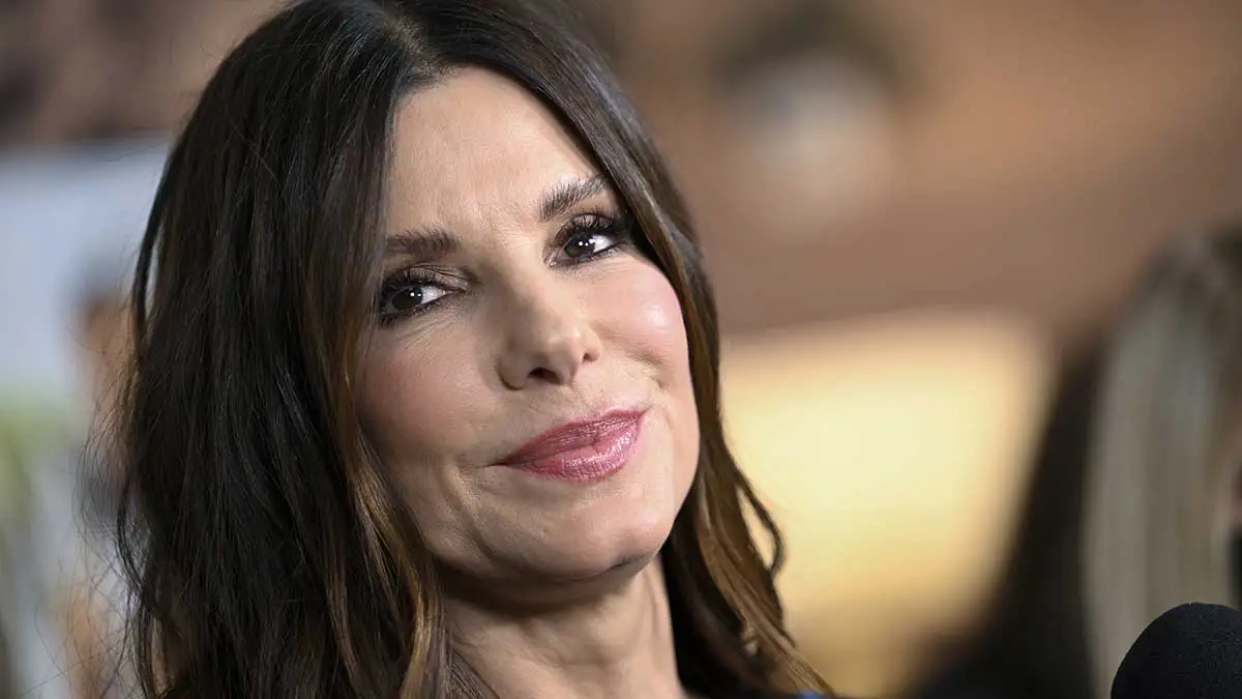

Caracas.- En el pasado mes de marzo, la actriz Sandra Bullock admitió que se tomaría un descanso de la actuación para pasar más tiempo con sus hijos. No obstante, la ganadora de un Oscar en el 2010, reveló recientemente que si bien se encuentra muy agradecida por su éxito, éste no ha sido sin sacrificios, y que continuar “a tope” como lo ha hecho hasta ahora, tendría graves consecuencias en su salud.
Durante una entrevista con The Hollywood Reporter, la actriz de 57 años ha advertido que se alejará de la pantalla grande por tiempo indefinido debido a un padecimiento que afecta a la mayoría de las personas trabajadoras conocido como “burnout” o síndrome de desgaste profesional.
“No quiero estar en deuda con el horario de nadie más que el mío. Estoy tan ‘quemada‘. Estoy tan cansada y no soy capaz de tomar decisiones saludables e inteligentes y lo sé“, aseguró la estrella de ‘The Proposal’.
Durante una entrevista con The Hollywood Reporter, la actriz de 57 años ha advertido que se alejará de la pantalla grande por tiempo indefinido debido a un padecimiento que afecta a la mayoría de las personas trabajadoras conocido como “burnout” o síndrome de desgaste profesional.
“No quiero estar en deuda con el horario de nadie más que el mío. Estoy tan ‘quemada‘. Estoy tan cansada y no soy capaz de tomar decisiones saludables e inteligentes y lo sé“, aseguró la estrella de ‘The Proposal’.
La también directora de cine dijo sentirse agradecida por las oportunidades laborales que se la han presentado en varias décadas, mismas que le han permitido consolidar una trayectoria estable y reconocida públicamente; sin embargo, en su vida personal las cosas han sido muy distintas.
“El trabajo siempre ha sido constante para mí y he tenido mucha suerte, pero me di cuenta de que posiblemente se estaba convirtiendo en mi muleta. Era como abrir una nevera todo el tiempo y buscar algo que nunca estuvo ahí“, aseguró Sandra Bullock.
“El trabajo siempre ha sido constante para mí y he tenido mucha suerte, pero me di cuenta de que posiblemente se estaba convirtiendo en mi muleta. Era como abrir una nevera todo el tiempo y buscar algo que nunca estuvo ahí“, aseguró Sandra Bullock.
Siguenos en
Telegram,
Instagram,
Facebook y
Twitter
para recibir en directo todas nuestras actualizaciones