FINANCE
Venezuela seeks shelter in US dollar to protect international reserves
In 2012, the Central Bank of Venezuela cut down its non-US dollar exposure
|
|
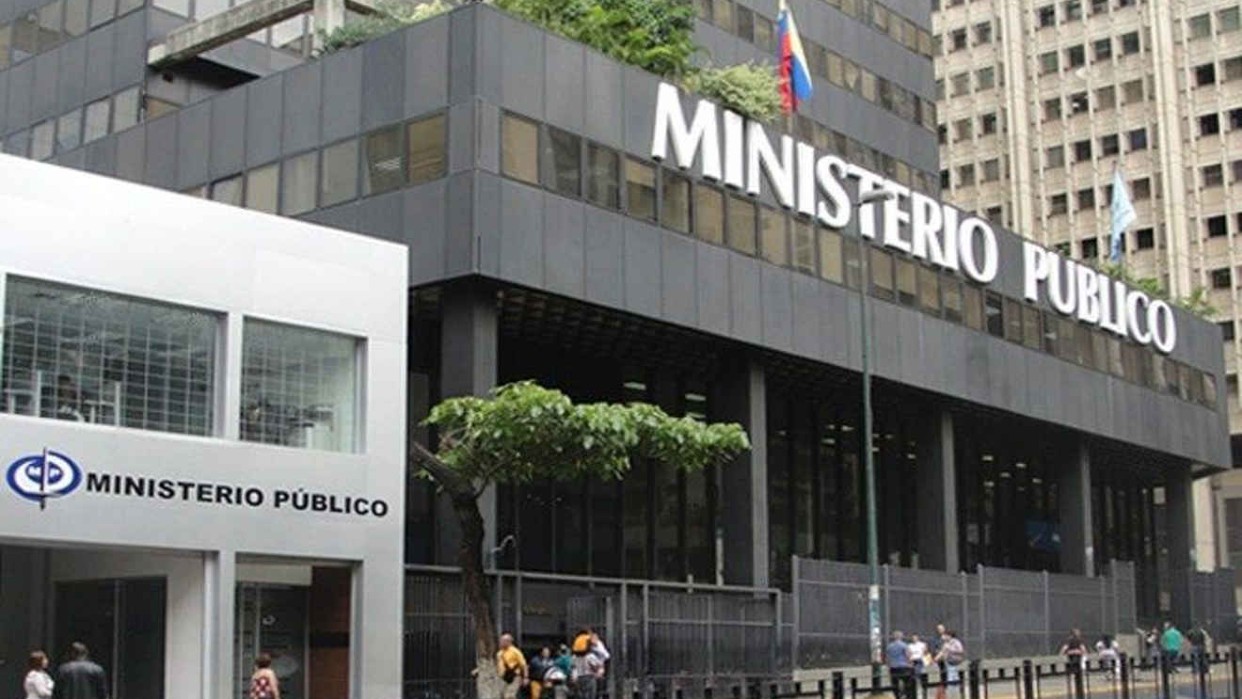
Central bank's president Nelson Merentes said Venezuela privileged "safety and liquidity" to protect the country's international reserves (File photo)
EL UNIVERSAL
Saturday January 19, 2013 12:00 AM
On September 13, 2011, Venezuelan President Hugo Chávez asserted, "The US dollar is in free fall." Later, the president called for "the end of the dictatorship" of the US currency. Notwithstanding, the global economy has moved otherwise and the Central Bank of Venezuela (BCV) has privileged the US bills for international reserves.
In a message delivered ending 2012, BCV's President Nelson Merentes explained that "for the purpose of minimizing the risks stemming from the widespread global economic crisis, it (the BCV) privileged safety and liquidity in its investment strategy for international reserves, and therefore it cut down non-US dollar exposure, as other foreign currencies were expected to depreciate."
Further, the central bank decided "to reduce the average maturity of its investment portfolio and preserve important positions in central banks and supranational institutions."
Venezuela's international reserves are the US dollars used to import, repay foreign debts, and back the local currency. Some 70% of the international reserves are comprised by gold. The remaining 30%, technically known as operating reserves, is in cash, deposits, and bonds that may be sold in no time.
Today, the Eurozone faces a deep recession, amidst increased public debt, spending cuts that are taking a toll on growth, and higher taxes aimed at curbing the fiscal deficit.
The future is bleak, particularly as Germany, the main economy of the area, is on the verge of recession after a 0.5% downturn in the last quarter of 2012, the most significant drop since 2009.
Against this backdrop, despite weak economic signs in the United States, the US dollar continues to be a safe heaven.
As of January 14, Venezuela's international reserves amounted to USD 28.86 billion, with liquid reserves at a record low, under USD 3 billion.
vsalmeron@eluniversal.com
Translated by Jhean Cabrera
In a message delivered ending 2012, BCV's President Nelson Merentes explained that "for the purpose of minimizing the risks stemming from the widespread global economic crisis, it (the BCV) privileged safety and liquidity in its investment strategy for international reserves, and therefore it cut down non-US dollar exposure, as other foreign currencies were expected to depreciate."
Further, the central bank decided "to reduce the average maturity of its investment portfolio and preserve important positions in central banks and supranational institutions."
Venezuela's international reserves are the US dollars used to import, repay foreign debts, and back the local currency. Some 70% of the international reserves are comprised by gold. The remaining 30%, technically known as operating reserves, is in cash, deposits, and bonds that may be sold in no time.
Today, the Eurozone faces a deep recession, amidst increased public debt, spending cuts that are taking a toll on growth, and higher taxes aimed at curbing the fiscal deficit.
The future is bleak, particularly as Germany, the main economy of the area, is on the verge of recession after a 0.5% downturn in the last quarter of 2012, the most significant drop since 2009.
Against this backdrop, despite weak economic signs in the United States, the US dollar continues to be a safe heaven.
As of January 14, Venezuela's international reserves amounted to USD 28.86 billion, with liquid reserves at a record low, under USD 3 billion.
vsalmeron@eluniversal.com
Translated by Jhean Cabrera
ADVERTISING SPACE
Dossier
The dialogue experience
José Vicente Rangel clearly said: "We are not conducting negotiations threatened with a gun in the head." He warned behind closed doors in the midst of the social upheaval occurred during the oil strike in 2002 and 2003. Dissenting Timoteo Zambrano answered back that no other option was available: "The thing is that otherwise, you do not negotiate."
Ranking
- Read
Alianzas
Cómo anunciar |
Suscripciones |
Contáctenos |
Política de privacidad
Términos legales |
Condiciones de uso |
Mapa del Sitio |
Ayuda
El Universal - Todos los derechos reservados 2013