


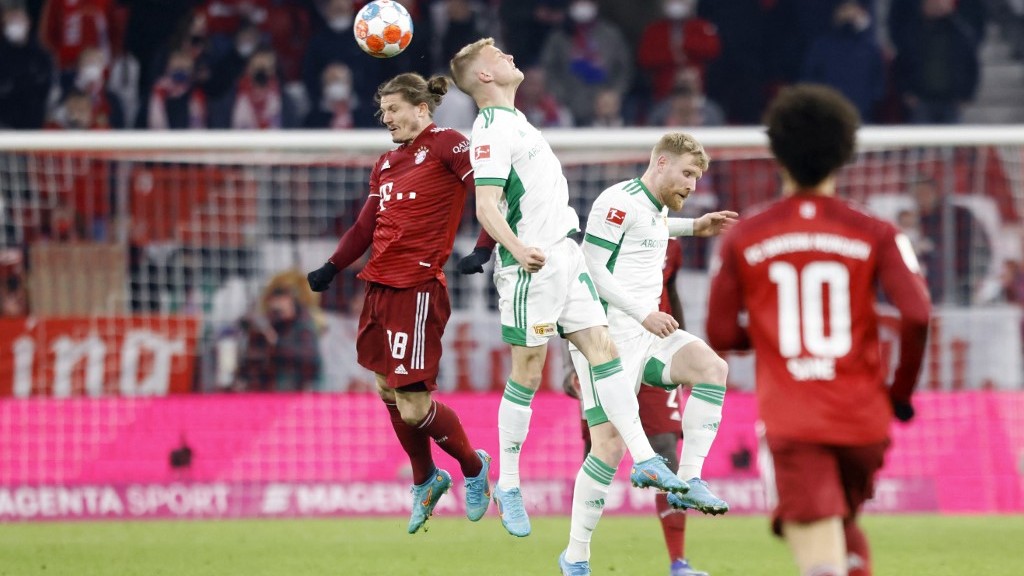

Berlín, Alemania.- Con un nuevo doblete del polaco Robert Lewandowski, el Bayern dominó el sábado al Unión Berlín (4-0) y recuperó provisionalmente los siete puntos de ventaja sobre el Borussia Dortmund, que juega el domingo en Colonia.
El Borussia deberá ganar si quiere mantener una distancia razonable, a falta de tan solo siete jornadas para el final del campeonato, y con el partido entre Bayern-Dortmund pudiendo ser decisivo a finales de abril, reseñó AFP.
El francés Kingsley Coman abrió el marcador (minuto 16, 1-0), seguido de su compatriota Tanguy Nianzou, que anotó su primer gol con la camiseta del Bayern (25, 2-0).
Robert Lewandowski añadió dos goles más para sus estadísticas, primero al transformar un penal (45+1, 3-0) y de nuevo justo después del descanso (47, 4-0).
En la lucha por el 'Top 4' de la Bundesliga, Friburgo y Hoffenheim, rivales del RB Leipzig, tropezaron el sábado en sus respectivos partidos, tras llegar ambos equipos a la 27ª jornada del campeonato alemán empatados a puntos con el RB Leipzig, su rival en la lucha por el último puesto de Champions.
Provisionalmente, el Friburgo ocupa la cuarta posición, la última que clasifica a Liga de Campeones, con 45 puntos, tras empatar 0-0 en casa del último clasificado, el Greuther Furth.
El Hoffenheim (6º), que cayó derrotado por 3-0 en casa del Hertha Berlín (16º), se estanca en los 44 puntos.
Estos dos resultados dan la oportunidad al RB Leipzig, que cuenta actualmente con 44 puntos y mejor diferencia de goles, de ocupar la cuarta posición en solitario, si logra vencer en casa al Eintracht Fráncfort (10º) el domingo (14h30 GMT).
-- Resultados de los partidos de la 27ª jornada del campeonato de fútbol de Alemania, y tabla de clasificación:
- Viernes (suspendido en el min. 71 con 0-2 en el marcador):
Bochum - Borussia Mönchengladbach
- Sábado:
Greuther Furth - Friburgo 0 - 0
Hertha Berlín - Hoffenheim 3 - 0
Maguncia - Arminia Bielefeld 4 - 0
Stuttgart - Augsburgo 3 - 2
Bayern Múnich - Unión Berlín 4 - 0
- Domingo:
(14h30 GMT) RB Leipzig - Eintracht Fráncfort
(16h30 GMT) Wolfsburgo - Bayer Leverkusen
(18h30 GMT) Colonia - Borussia Dortmund
Clasificación: Pts J G E P GF GC Dif
1. Bayern Múnich 63 27 20 3 4 81 28 53
2. Borussia Dortmund 56 26 18 2 6 66 37 29
3. Bayer Leverkusen 45 26 13 6 7 64 41 23
4. Friburgo 45 27 12 9 6 43 29 14
5. RB Leipzig 44 26 13 5 8 57 30 27
6. Hoffenheim 44 27 13 5 9 49 40 9
7. Colonia 39 26 10 9 7 37 39 -2
8. Unión Berlín 38 27 10 8 9 33 38 -5
9. Maguncia 37 26 11 4 11 39 30 9
10. Eintracht Fráncfort 37 26 10 7 9 39 38 1
11. Bochum 32 26 9 5 12 28 37 -9
12. Wolfsburgo 31 26 9 4 13 29 40 -11
13. Borussia Mönchengladbach 30 26 8 6 12 36 51 -15
14. Stuttgart 26 27 6 8 13 35 50 -15
15. Augsburgo 26 26 6 8 12 29 44 -15
16. Hertha Berlín 26 27 7 5 15 29 60 -31
17. Arminia Bielefeld 25 27 5 10 12 22 38 -16
18. Greuther Furth 15 27 3 6 18 24 70 -46
El Borussia deberá ganar si quiere mantener una distancia razonable, a falta de tan solo siete jornadas para el final del campeonato, y con el partido entre Bayern-Dortmund pudiendo ser decisivo a finales de abril, reseñó AFP.
El francés Kingsley Coman abrió el marcador (minuto 16, 1-0), seguido de su compatriota Tanguy Nianzou, que anotó su primer gol con la camiseta del Bayern (25, 2-0).
Robert Lewandowski añadió dos goles más para sus estadísticas, primero al transformar un penal (45+1, 3-0) y de nuevo justo después del descanso (47, 4-0).
En la lucha por el 'Top 4' de la Bundesliga, Friburgo y Hoffenheim, rivales del RB Leipzig, tropezaron el sábado en sus respectivos partidos, tras llegar ambos equipos a la 27ª jornada del campeonato alemán empatados a puntos con el RB Leipzig, su rival en la lucha por el último puesto de Champions.
Provisionalmente, el Friburgo ocupa la cuarta posición, la última que clasifica a Liga de Campeones, con 45 puntos, tras empatar 0-0 en casa del último clasificado, el Greuther Furth.
El Hoffenheim (6º), que cayó derrotado por 3-0 en casa del Hertha Berlín (16º), se estanca en los 44 puntos.
Estos dos resultados dan la oportunidad al RB Leipzig, que cuenta actualmente con 44 puntos y mejor diferencia de goles, de ocupar la cuarta posición en solitario, si logra vencer en casa al Eintracht Fráncfort (10º) el domingo (14h30 GMT).
-- Resultados de los partidos de la 27ª jornada del campeonato de fútbol de Alemania, y tabla de clasificación:
- Viernes (suspendido en el min. 71 con 0-2 en el marcador):
Bochum - Borussia Mönchengladbach
- Sábado:
Greuther Furth - Friburgo 0 - 0
Hertha Berlín - Hoffenheim 3 - 0
Maguncia - Arminia Bielefeld 4 - 0
Stuttgart - Augsburgo 3 - 2
Bayern Múnich - Unión Berlín 4 - 0
- Domingo:
(14h30 GMT) RB Leipzig - Eintracht Fráncfort
(16h30 GMT) Wolfsburgo - Bayer Leverkusen
(18h30 GMT) Colonia - Borussia Dortmund
Clasificación: Pts J G E P GF GC Dif
1. Bayern Múnich 63 27 20 3 4 81 28 53
2. Borussia Dortmund 56 26 18 2 6 66 37 29
3. Bayer Leverkusen 45 26 13 6 7 64 41 23
4. Friburgo 45 27 12 9 6 43 29 14
5. RB Leipzig 44 26 13 5 8 57 30 27
6. Hoffenheim 44 27 13 5 9 49 40 9
7. Colonia 39 26 10 9 7 37 39 -2
8. Unión Berlín 38 27 10 8 9 33 38 -5
9. Maguncia 37 26 11 4 11 39 30 9
10. Eintracht Fráncfort 37 26 10 7 9 39 38 1
11. Bochum 32 26 9 5 12 28 37 -9
12. Wolfsburgo 31 26 9 4 13 29 40 -11
13. Borussia Mönchengladbach 30 26 8 6 12 36 51 -15
14. Stuttgart 26 27 6 8 13 35 50 -15
15. Augsburgo 26 26 6 8 12 29 44 -15
16. Hertha Berlín 26 27 7 5 15 29 60 -31
17. Arminia Bielefeld 25 27 5 10 12 22 38 -16
18. Greuther Furth 15 27 3 6 18 24 70 -46
Siguenos en
Telegram,
Instagram,
Facebook y
Twitter
para recibir en directo todas nuestras actualizaciones