


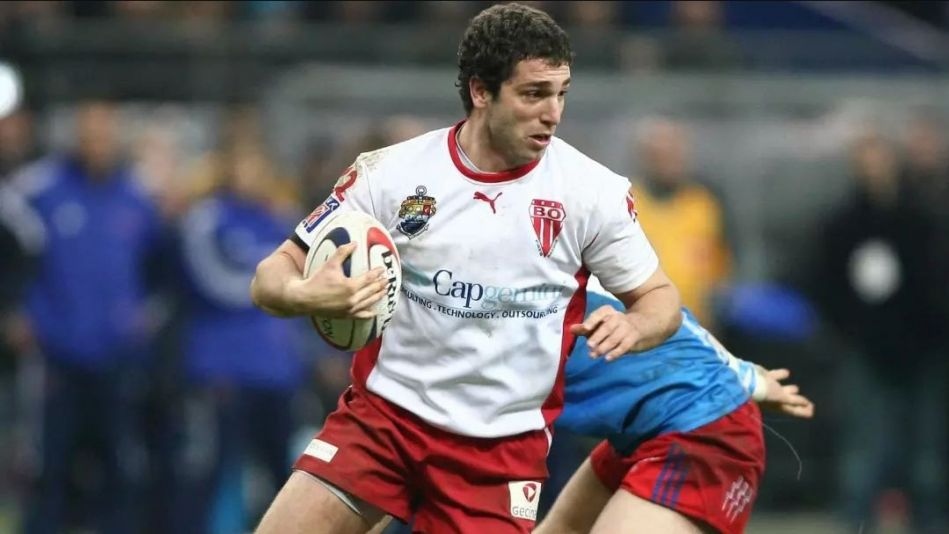

París, Francia.- Federico Martín Aramburu, exinternacional con los Pumas argentinos, murió a los 42 años tiroteado en París la noche del viernes al sábado tras un altercado en un bar y las autoridades abrieron una investigación por "asesinato".
Los hechos ocurrieron hacia las 06H00 locales (05H00 GMT) en el bulevar Saint Germain, en pleno centro de París, en "una disputa" entre dos grupos de personas, según una fuente policial cercana al caso. Los agresores "regresaron en un vehículo y dispararon" contra miembros de la parte enfrentada, añadió, reseñó AFP.
Los investigadores descubrieron "varios impactos" de bala en el lugar de los hechos y el rugbier falleció en el acto como consecuencia de las heridas.
Un antiguo compañero de Aramburu en el Biarritz Olympique, presente en el lugar de los hechos y que solicitó el anonimato, explicó a la AFP que se encontraban en el bar Le Mabillon comiéndose una hamburguesa.
"Ha habido una disputa como puede ocurrir de madrugada. Se solucionó, pero esos hombres han regresado y han disparado tres veces a Aramburu", declaró.
La policía francesa buscaba este sábado a los autores de los hechos, mientras que la brigada criminal ha abierto una investigación por asesinato, según la fiscalía de París, contactada por la AFP.
"Nos acabamos de enterar de la muerte de Federico Martín Aramburu en circunstancias trágicas. El conjunto del Biarritz Olympique expresa sus más sinceras condolencias a su familia, allegados y les muestra total apoyo", tuiteó este sábado su antiguo club de rugby en Francia.
"Inmensa tristeza"
Otro de sus clubes en Francia, el Perpiñán, mostró en Twitter su "inmensa tristeza" por la noticia de la muerte de Aramburu "en circunstancias trágicas" y envió sus condolencias a los familiares.
Federico Martín Aramburu jugó como 'wing' o centro en varios clubes del rugby francés: Biarritz (2004-2006), Perpiñán (2006-2008) o Dax (2008-2010).
Fue presidente de los Socios del Biarritz entre 2015 y 2018 y también formó parte del consejo de administración del club vasco con el que ganó en dos ocasiones el Top 14, el campeonato profesional francés (2005, 2006).
Aramburu también fue internacional argentino en 22 ocasiones y jugó con los Pumas el Mundial-2007, en el que el combinado sudamericano fue tercero.
Precisamente, el jugador participó como titular en el partido por el tercer puesto y anotó un 'try' en la victoria argentina contra Francia (34-17).
"Un abrazo a toda la familia de Fede y sus amigos en este momento tan triste. Te vamos a extrañar mucho", reaccionó en redes sociales Agustín Pichot, el capitán de los Pumas en aquel histórico equipo de 2007.
Desde que puso fin a su carrera deportiva, vivía en Biarritz, en el suroeste de Francia, y trabajaba en una empresa del sector turístico.
Los hechos ocurrieron hacia las 06H00 locales (05H00 GMT) en el bulevar Saint Germain, en pleno centro de París, en "una disputa" entre dos grupos de personas, según una fuente policial cercana al caso. Los agresores "regresaron en un vehículo y dispararon" contra miembros de la parte enfrentada, añadió, reseñó AFP.
Los investigadores descubrieron "varios impactos" de bala en el lugar de los hechos y el rugbier falleció en el acto como consecuencia de las heridas.
Un antiguo compañero de Aramburu en el Biarritz Olympique, presente en el lugar de los hechos y que solicitó el anonimato, explicó a la AFP que se encontraban en el bar Le Mabillon comiéndose una hamburguesa.
"Ha habido una disputa como puede ocurrir de madrugada. Se solucionó, pero esos hombres han regresado y han disparado tres veces a Aramburu", declaró.
La policía francesa buscaba este sábado a los autores de los hechos, mientras que la brigada criminal ha abierto una investigación por asesinato, según la fiscalía de París, contactada por la AFP.
"Nos acabamos de enterar de la muerte de Federico Martín Aramburu en circunstancias trágicas. El conjunto del Biarritz Olympique expresa sus más sinceras condolencias a su familia, allegados y les muestra total apoyo", tuiteó este sábado su antiguo club de rugby en Francia.
"Inmensa tristeza"
Otro de sus clubes en Francia, el Perpiñán, mostró en Twitter su "inmensa tristeza" por la noticia de la muerte de Aramburu "en circunstancias trágicas" y envió sus condolencias a los familiares.
Federico Martín Aramburu jugó como 'wing' o centro en varios clubes del rugby francés: Biarritz (2004-2006), Perpiñán (2006-2008) o Dax (2008-2010).
Fue presidente de los Socios del Biarritz entre 2015 y 2018 y también formó parte del consejo de administración del club vasco con el que ganó en dos ocasiones el Top 14, el campeonato profesional francés (2005, 2006).
Aramburu también fue internacional argentino en 22 ocasiones y jugó con los Pumas el Mundial-2007, en el que el combinado sudamericano fue tercero.
Precisamente, el jugador participó como titular en el partido por el tercer puesto y anotó un 'try' en la victoria argentina contra Francia (34-17).
"Un abrazo a toda la familia de Fede y sus amigos en este momento tan triste. Te vamos a extrañar mucho", reaccionó en redes sociales Agustín Pichot, el capitán de los Pumas en aquel histórico equipo de 2007.
Desde que puso fin a su carrera deportiva, vivía en Biarritz, en el suroeste de Francia, y trabajaba en una empresa del sector turístico.
Siguenos en
Telegram,
Instagram,
Facebook y
Twitter
para recibir en directo todas nuestras actualizaciones