


Zelenski ve a algunos miembros de la OTAN "hipnotizados" por la agresión rusa
Zelenski intervino en un encuentro de dirigentes de los países nórdicos y bálticos convocados por el primer ministro británico, Boris Johnson la llamada JEF, para tratar sobre la seguridad en el norte de Europa ante la creciente amenaza de Rusia


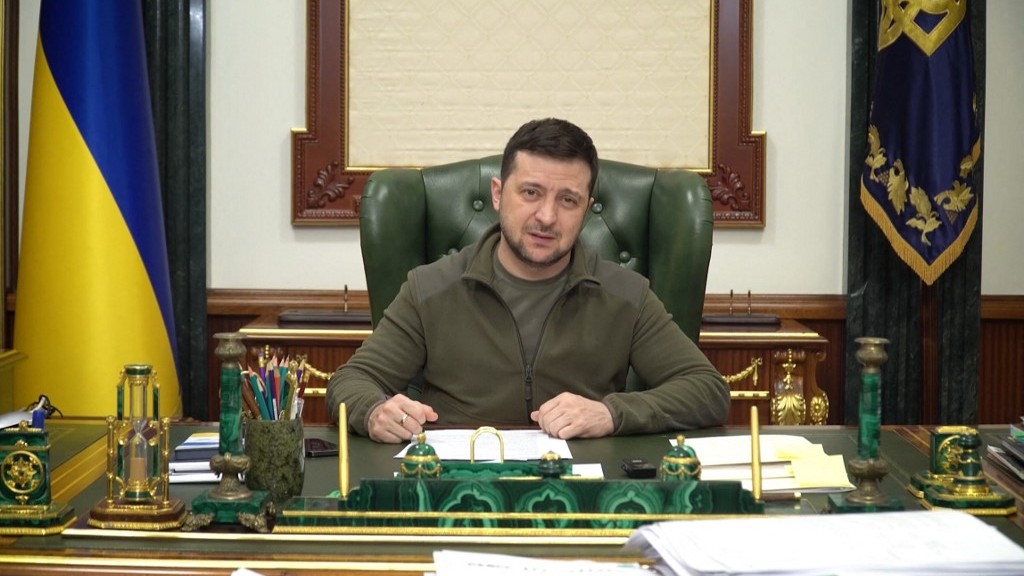

Caracas.- El presidente de Ucrania, Volodímir Zelenski, dijo este martes que, aunque la OTAN es la alianza de defensa «más fuerte del mundo», algunos de sus miembros "están hipnotizados por la agresión rusa", en un mensaje por videoconferencia a líderes europeos reunidos en Londres.
Zelenski intervino en un encuentro de dirigentes de los países nórdicos y bálticos convocados por el primer ministro británico, Boris Johnson la llamada Fuerza Expedicionaria Conjunta (JEF, en inglés), para tratar sobre la seguridad en el norte de Europa ante la creciente amenaza de Rusia.
El presidente ucraniano lamentó que la Alianza Atlántica no aplique una zona de exclusión aérea sobre Ucrania para prevenir los ataques rusos y señaló que las sanciones internacionales aplicadas hasta ahora «no son suficientes», al tiempo que pidió un «embargo comercial» total a Rusia.
"Oímos hablar mucho sobre una Tercera Guerra Mundial, que supuestamente comenzaría si la OTAN cierra el cielo ucraniano a los misiles y a los aviones rusos; de este modo, el corredor humanitario de exclusión aérea aún no se ha establecido", lamentó, reseñó Efe.
"Esto le permite al Ejército ruso bombardear ciudades pacíficas y volar bloques de viviendas, hospitales y escuelas", dijo a los mandatarios reunidos en el palacete londinense de Lancaster House.
Zelenski expresó su frustración porque, pese a su presunta política de "puertas abiertas", la OTAN no haya admitido como miembro a su país, algo que Ucrania no tiene más remedio que «aceptar», e instó a buscar otras vías de colaboración militar.
El presidente criticó que muchas empresas aún no se han retirado de territorio ruso y pidió a los Gobiernos que bloqueen la entrada de barcos de Rusia a sus puertos y que todos los bancos rusos queden excluido del sistema Swift de mensajería financiera.
Zelenski intervino en un encuentro de dirigentes de los países nórdicos y bálticos convocados por el primer ministro británico, Boris Johnson la llamada Fuerza Expedicionaria Conjunta (JEF, en inglés), para tratar sobre la seguridad en el norte de Europa ante la creciente amenaza de Rusia.
El presidente ucraniano lamentó que la Alianza Atlántica no aplique una zona de exclusión aérea sobre Ucrania para prevenir los ataques rusos y señaló que las sanciones internacionales aplicadas hasta ahora «no son suficientes», al tiempo que pidió un «embargo comercial» total a Rusia.
"Oímos hablar mucho sobre una Tercera Guerra Mundial, que supuestamente comenzaría si la OTAN cierra el cielo ucraniano a los misiles y a los aviones rusos; de este modo, el corredor humanitario de exclusión aérea aún no se ha establecido", lamentó, reseñó Efe.
"Esto le permite al Ejército ruso bombardear ciudades pacíficas y volar bloques de viviendas, hospitales y escuelas", dijo a los mandatarios reunidos en el palacete londinense de Lancaster House.
Zelenski expresó su frustración porque, pese a su presunta política de "puertas abiertas", la OTAN no haya admitido como miembro a su país, algo que Ucrania no tiene más remedio que «aceptar», e instó a buscar otras vías de colaboración militar.
El presidente criticó que muchas empresas aún no se han retirado de territorio ruso y pidió a los Gobiernos que bloqueen la entrada de barcos de Rusia a sus puertos y que todos los bancos rusos queden excluido del sistema Swift de mensajería financiera.
Siguenos en
Telegram,
Instagram,
Facebook y
Twitter
para recibir en directo todas nuestras actualizaciones