



Judith Alvarado
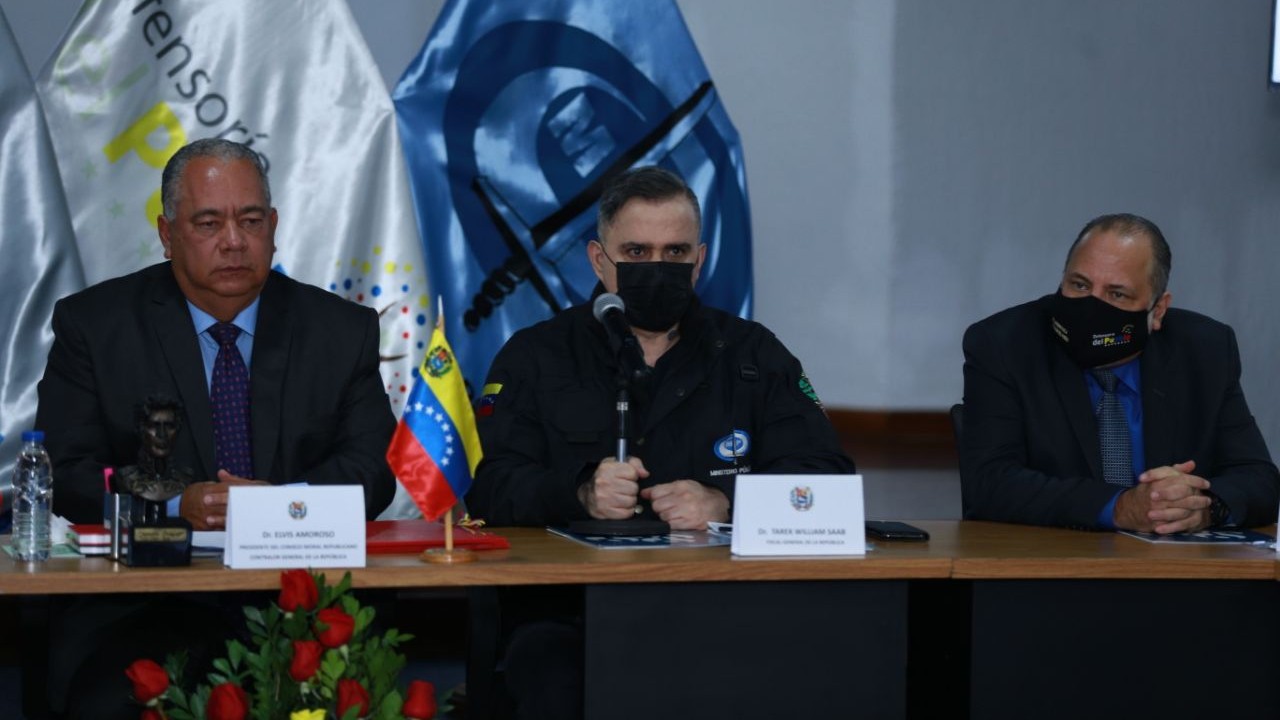
Caracas.- Este martes el Poder Moral Republicano recibió el listado con 271 los postulados elegibles a los cargos de magistrados del TSJ, así como de los inspectores y directores de la Escuela Nacional de la Magistratura.
En un evento realizado en la sede de la Contraloría General de la República en Caracas el Contralor, Elvis Amoroso hizo reconocimiento al trabajo desarrollado por el Comité de Postulaciones y anunció que ahora le corresponde al Poder Moral Republicano revisar y remitir los análisis a la AN para que el parlamento de a conocer los resultados.
"En esta nueva etapa al Poder Moral Republicano le corresponde hacer la última revisión cuyo resultado haremos saber en tiempo prudencial a la comisión de la AN y a la junta directiva de la Asamblea Nacional”, dijo.
Destacó que desde este martes El Poder Moral Republicano se declaran en sesión permanente junto a la Fiscalía y a la Defensoría del Pueblo a fin de avanzar en la labor encomendada.
Por su parte Giuseppe Alesandrello, presidente del Comité de Postulaciones Judiciales de la AN destacó que la escogencia de los nuevos magistrados forma parte del proceso de reinstitucionalización del Estado que se inició con la Nueva Asamblea Nacional.
"Es un proceso que nos ha tomado a nosotros 53 días de arduo trabajo. De los 434 aspirantes, el proceso avanzó con un número de 271 elegibles, cuyos expedientes fueron entregados este martes”, señaló.
Caracas.- Este martes el Poder Moral Republicano recibió el listado con 271 los postulados elegibles a los cargos de magistrados del TSJ, así como de los inspectores y directores de la Escuela Nacional de la Magistratura.
En un evento realizado en la sede de la Contraloría General de la República en Caracas el Contralor, Elvis Amoroso hizo reconocimiento al trabajo desarrollado por el Comité de Postulaciones y anunció que ahora le corresponde al Poder Moral Republicano revisar y remitir los análisis a la AN para que el parlamento de a conocer los resultados.
"En esta nueva etapa al Poder Moral Republicano le corresponde hacer la última revisión cuyo resultado haremos saber en tiempo prudencial a la comisión de la AN y a la junta directiva de la Asamblea Nacional”, dijo.
Destacó que desde este martes El Poder Moral Republicano se declaran en sesión permanente junto a la Fiscalía y a la Defensoría del Pueblo a fin de avanzar en la labor encomendada.
Por su parte Giuseppe Alesandrello, presidente del Comité de Postulaciones Judiciales de la AN destacó que la escogencia de los nuevos magistrados forma parte del proceso de reinstitucionalización del Estado que se inició con la Nueva Asamblea Nacional.
"Es un proceso que nos ha tomado a nosotros 53 días de arduo trabajo. De los 434 aspirantes, el proceso avanzó con un número de 271 elegibles, cuyos expedientes fueron entregados este martes”, señaló.
Siguenos en
Telegram,
Instagram,
Facebook y
Twitter
para recibir en directo todas nuestras actualizaciones