


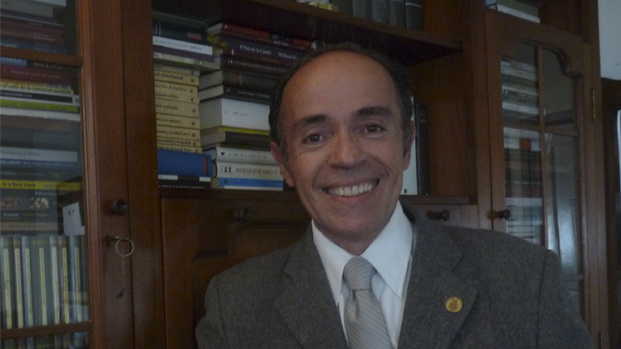

Hay una frase de Augusto Monterroso aparecida en el Prefacio de su libro Diario, titulado La letra e (1998), al que vuelvo de vez en cuando: “Nuestros libros son los ríos que van a dar en el mar que es el olvido.” La traigo a colación, porque esta semana que pasó hice la entrega de mi cubículo en la universidad, que ostentaba desde hacía treinta y dos años. No fue fácil, debo manifestarlo, y hasta se me hizo un nudo en la garganta y hubo momentos en los que sentí mis ojos anegados y a punto de delatar mis emociones.
Siempre pensé que llegaría a ancianito (con bastón y todo), como profesor activo, y que mis alumnos me recibirían con la reverencia (y la benevolencia) propia de quien ha entregado toda su vida a la causa universitaria, como recibíamos nosotros cuando éramos estudiantes de Farmacia, a nuestro profesor de Toxicología, quien para entonces estaría cercano (supongo yo) a los ochenta años, y manejaba su gigantesco auto negro como el que veíamos en la serie Batman de los sesenta. Cuando nos asomábamos a la ventana del salón, desde donde se avistaba el amplio estacionamiento de nuestra facultad, y lo veíamos entrar, decíamos a grito tendido: “llegó el doctor Pablo con su Batimóvil”.
Pues, créanme, ya para entonces pensaba que si algún día lograba ser profesor universitario (como era mi deseo), quería llegar muy viejito como el doctor Pablo dando la dura batalla en el aula y en el laboratorio. Pero no pudo ser, así de sencillo, las circunstancias “país” se interpusieron. Como dato curioso, años después mis suegros, mi esposa y yo nos hicimos muy amigos del doctor Pablo y de su familia, y compartimos gratísimos momentos (ojo: nunca hice referencia a lo del “Batimóvil”, se me hubiera caído la cara de vergüenza).
Con la dolorosa entrega del cubículo recordé la frase monterrosiana, y como no me gusta citar de memoria, porque la loca de la casa suele hacerme jugarretas, revisé en casi toda la obra del genial guatemalteco nacido en Tegucigalpa, y por fin la hallé en La letra e. Pareciera una frase sobrevenida, y hasta tensada por las circunstancias, pero encierra una verdad. Siempre he afirmado que todos mis textos sueltos son pensados para que terminen en libro, para asegurarles una vida mayor que la honrosa caducidad del texto periodístico o del discurso. Sin embargo, el que terminen en un libro no es en absoluto garantía de que las páginas se eternicen, porque los libros suelen perderse también en las neblinas de los tiempos, y les cae además su propia pátina.
La frase llegó a mí en ese momento tan especial, porque en dicho espacio tenía guardados varios bultos de dos de mis libros: En el tintero Vol. I y En el tintero Vol. II (ambos del 2004), en edición de lujo del rectorado de la Universidad de Los Andes, que dormían desde entonces el sueño eterno a la espera de los lectores. Una vez en casa, al revisarlos con parsimonia y detenimiento, me conmoví al poder descubrir, no sin asombro, dos cuestiones fundamentales: que la mayoría de los textos ensayísticos, artículos, ponencias y hojas sueltas que constituyen a ambos volúmenes, todavía está vigente. Y, segundo, que a pesar de haber cambiado mi estilo de escribir a lo largo del tiempo, la esencia de mi ser se mantiene incólume y firme. Esto no quiere decir que piense como entonces, porque el tiempo y las circunstancias modelan nuestra mente, sino que todo lo allí escrito responde aún al espíritu del hombre que soy en la actualidad.
Tal vez hoy escribiría esos textos de otra manera y con otro lenguaje, y las posiciones sean también distintas, pero las temáticas allí presentadas siguen siendo mis temáticas y los intereses del ayer siguen siendo los mismos del día de hoy, solo que con otros ropajes. Ah, me inquietó escuchar de parte de quienes estaban conmigo revisando los libros en la facultad, que el rostro del hombre que aparece en las fotografías insertas en las solapas de ambos volúmenes, no se parece en nada al rostro que hoy muestro al mundo (quiero pensar que para bien… jajajaja, por eso no me atreví a pedir mayores detalles).
Por cierto, en el primer volumen de En el tintero hay un artículo que escribí en 1998 para la prensa regional y nacional, que titulé: “Chávez no es la solución”, en él argumento los inconvenientes que se le presentarían al país de llegar a ganar el entonces candidato a la presidencia de la república. Quienes han tenido la oportunidad de leerlo, me han preguntado con asombro si para entonces tenía a la mano las cartas del Tarot, o una bola de cristal para leer el futuro, porque en él dije, con puntos y comas, todo lo que aconteció en Venezuela a posteriori.
Me da risa la interrogante, no lo puedo negar, pero suelo responder a mis interlocutores que no se requería de dones adivinatorios, ni de echar mano de artilugios ni de la Cábala, sino tener cuatro dedos de frente para prever lo que pasaría con el país una vez que el personaje se entronizara en el poder. Lamentablemente, acerté de cabo a rabo y, es más, por falta de espacio (la prensa, siempre la prensa y sus límites) me quedé corto en mis “predicciones”.
Sí, los libros son ríos que van a dar en el mar que es el olvido, transijo con Monterroso, pero constituyen, una vez abiertos, receptáculos en donde la palabra escrita se muestra ante nosotros con toda su fuerza e intencionalidad. De allí su impronta y su magia.
rigilo99@gmail.com
Siempre pensé que llegaría a ancianito (con bastón y todo), como profesor activo, y que mis alumnos me recibirían con la reverencia (y la benevolencia) propia de quien ha entregado toda su vida a la causa universitaria, como recibíamos nosotros cuando éramos estudiantes de Farmacia, a nuestro profesor de Toxicología, quien para entonces estaría cercano (supongo yo) a los ochenta años, y manejaba su gigantesco auto negro como el que veíamos en la serie Batman de los sesenta. Cuando nos asomábamos a la ventana del salón, desde donde se avistaba el amplio estacionamiento de nuestra facultad, y lo veíamos entrar, decíamos a grito tendido: “llegó el doctor Pablo con su Batimóvil”.
Pues, créanme, ya para entonces pensaba que si algún día lograba ser profesor universitario (como era mi deseo), quería llegar muy viejito como el doctor Pablo dando la dura batalla en el aula y en el laboratorio. Pero no pudo ser, así de sencillo, las circunstancias “país” se interpusieron. Como dato curioso, años después mis suegros, mi esposa y yo nos hicimos muy amigos del doctor Pablo y de su familia, y compartimos gratísimos momentos (ojo: nunca hice referencia a lo del “Batimóvil”, se me hubiera caído la cara de vergüenza).
Con la dolorosa entrega del cubículo recordé la frase monterrosiana, y como no me gusta citar de memoria, porque la loca de la casa suele hacerme jugarretas, revisé en casi toda la obra del genial guatemalteco nacido en Tegucigalpa, y por fin la hallé en La letra e. Pareciera una frase sobrevenida, y hasta tensada por las circunstancias, pero encierra una verdad. Siempre he afirmado que todos mis textos sueltos son pensados para que terminen en libro, para asegurarles una vida mayor que la honrosa caducidad del texto periodístico o del discurso. Sin embargo, el que terminen en un libro no es en absoluto garantía de que las páginas se eternicen, porque los libros suelen perderse también en las neblinas de los tiempos, y les cae además su propia pátina.
La frase llegó a mí en ese momento tan especial, porque en dicho espacio tenía guardados varios bultos de dos de mis libros: En el tintero Vol. I y En el tintero Vol. II (ambos del 2004), en edición de lujo del rectorado de la Universidad de Los Andes, que dormían desde entonces el sueño eterno a la espera de los lectores. Una vez en casa, al revisarlos con parsimonia y detenimiento, me conmoví al poder descubrir, no sin asombro, dos cuestiones fundamentales: que la mayoría de los textos ensayísticos, artículos, ponencias y hojas sueltas que constituyen a ambos volúmenes, todavía está vigente. Y, segundo, que a pesar de haber cambiado mi estilo de escribir a lo largo del tiempo, la esencia de mi ser se mantiene incólume y firme. Esto no quiere decir que piense como entonces, porque el tiempo y las circunstancias modelan nuestra mente, sino que todo lo allí escrito responde aún al espíritu del hombre que soy en la actualidad.
Tal vez hoy escribiría esos textos de otra manera y con otro lenguaje, y las posiciones sean también distintas, pero las temáticas allí presentadas siguen siendo mis temáticas y los intereses del ayer siguen siendo los mismos del día de hoy, solo que con otros ropajes. Ah, me inquietó escuchar de parte de quienes estaban conmigo revisando los libros en la facultad, que el rostro del hombre que aparece en las fotografías insertas en las solapas de ambos volúmenes, no se parece en nada al rostro que hoy muestro al mundo (quiero pensar que para bien… jajajaja, por eso no me atreví a pedir mayores detalles).
Por cierto, en el primer volumen de En el tintero hay un artículo que escribí en 1998 para la prensa regional y nacional, que titulé: “Chávez no es la solución”, en él argumento los inconvenientes que se le presentarían al país de llegar a ganar el entonces candidato a la presidencia de la república. Quienes han tenido la oportunidad de leerlo, me han preguntado con asombro si para entonces tenía a la mano las cartas del Tarot, o una bola de cristal para leer el futuro, porque en él dije, con puntos y comas, todo lo que aconteció en Venezuela a posteriori.
Me da risa la interrogante, no lo puedo negar, pero suelo responder a mis interlocutores que no se requería de dones adivinatorios, ni de echar mano de artilugios ni de la Cábala, sino tener cuatro dedos de frente para prever lo que pasaría con el país una vez que el personaje se entronizara en el poder. Lamentablemente, acerté de cabo a rabo y, es más, por falta de espacio (la prensa, siempre la prensa y sus límites) me quedé corto en mis “predicciones”.
Sí, los libros son ríos que van a dar en el mar que es el olvido, transijo con Monterroso, pero constituyen, una vez abiertos, receptáculos en donde la palabra escrita se muestra ante nosotros con toda su fuerza e intencionalidad. De allí su impronta y su magia.
rigilo99@gmail.com
Siguenos en
Telegram,
Instagram,
Facebook y
Twitter
para recibir en directo todas nuestras actualizaciones