


Europa del Este recibe con los brazos abiertos a los ucranianos... por ahora
Mas de 2,5 millones de civiles han huido de las bombas en Ucrania desde el 24 de febrero, día en que comenzó la invasión rusa. Su destino es, en un primer momento, los países de la región, que son uno de los puntos más despoblados del planeta


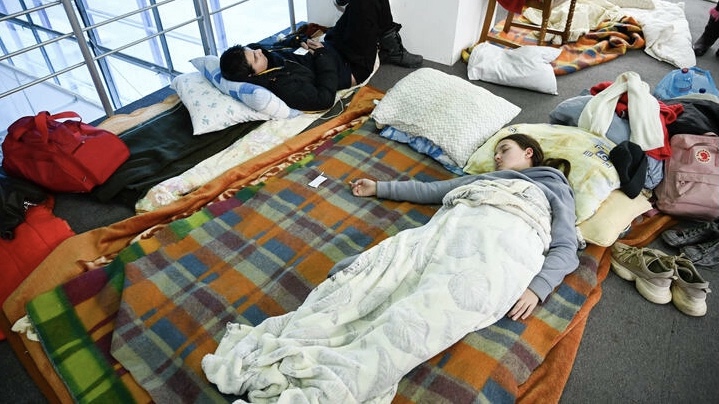

Sofía.- Millones de refugiados ucranianos están llegando a los países de Europa central y del este, cercanos culturalmente, que ven por ahora con agrado esta mano de obra adicional y en muchos casos cualificada, pero se preocupan también de los efectos de este éxodo masivo.
Rumania, Hungría, Moldavia o Bulgaria son Estados que desde el fin de la era comunista están más acostumbrados a ver a su población marcharse que a recibir migrantes, destacó AFP.
Y aunque la falta de mano de obra y el crecimiento económico sólido de algunos de estos países hizo que en los últimos años fuera necesario recurrir a obreros ucranianos, las cifras a las que se enfrentan desde hace dos semanas son un auténtico desafío.
Mas de 2,5 millones de civiles han huido de las bombas en Ucrania desde el 24 de febrero, día en que comenzó la invasión rusa. Su destino es, en un primer momento, los países de la región, que son uno de los puntos más despoblados del planeta.
Una oportunidad
Rumania, Hungría, Moldavia o Bulgaria son Estados que desde el fin de la era comunista están más acostumbrados a ver a su población marcharse que a recibir migrantes, destacó AFP.
Y aunque la falta de mano de obra y el crecimiento económico sólido de algunos de estos países hizo que en los últimos años fuera necesario recurrir a obreros ucranianos, las cifras a las que se enfrentan desde hace dos semanas son un auténtico desafío.
Mas de 2,5 millones de civiles han huido de las bombas en Ucrania desde el 24 de febrero, día en que comenzó la invasión rusa. Su destino es, en un primer momento, los países de la región, que son uno de los puntos más despoblados del planeta.
Una oportunidad
Es una oportunidad que no hay que dejar pasar, según la patronal en Sofía. En una carta al gobierno, sus representantes recordaron que los ucranianos podrían ocupar hasta 200.000 puestos de trabajo que están libres en los sectores de informática, hostelería, construcción y textil.
Sobre todo porque los recién llegados son también en su mayoría eslavos y cristianos ortodoxos. Usan el alfabeto cirílico y, según el primer ministro Kiril Petkov, son "inteligentes, educados y altamente cualificados".
"Son europeos, estamos listos para recibirlos", dijo el responsable.
Los responsables de empresas miran con especial agrado a los búlgaros de Ucrania que han salido del país.
En Bulgaria, país de 6,5 millones de habitantes, el Estado más pobre de la UE, hay unos 20.000 ucranianos censados, una cifra que podría subir si los rusos toman el control de la ciudad de Odesa, en el Mar Negro.
Por ahora, el país se muestra acogedor, al igual que Hungría, que sin embargo muestra desde 2015 una política de tolerancia cero frente a los clandestinos que cruzan su frontera con Serbia procedentes de Oriente Medio.
Obstáculos
Sobre todo porque los recién llegados son también en su mayoría eslavos y cristianos ortodoxos. Usan el alfabeto cirílico y, según el primer ministro Kiril Petkov, son "inteligentes, educados y altamente cualificados".
"Son europeos, estamos listos para recibirlos", dijo el responsable.
Los responsables de empresas miran con especial agrado a los búlgaros de Ucrania que han salido del país.
En Bulgaria, país de 6,5 millones de habitantes, el Estado más pobre de la UE, hay unos 20.000 ucranianos censados, una cifra que podría subir si los rusos toman el control de la ciudad de Odesa, en el Mar Negro.
Por ahora, el país se muestra acogedor, al igual que Hungría, que sin embargo muestra desde 2015 una política de tolerancia cero frente a los clandestinos que cruzan su frontera con Serbia procedentes de Oriente Medio.
Obstáculos
Es algo lógico para Viktor Orban, un nacionalista en el poder desde hace 12 años y en plena campaña para lograr un cuarto mandato consecutivo el próximo 3 de abril.
"Sabemos diferenciar", dijo claramente el responsable.
"A los migrantes que vienen del sur, los arrestamos. Los refugiados tienen derecho a toda nuestra ayuda", resumió, sin tapujos, ante los periodistas la semana pasada.
El primer ministro también subrayó la proximidad cultural y el hecho de que también hay una minoría húngara en Ucrania.
Pero no es seguro que todos los refugiados ucranianos que crucen la frontera quieran quedarse, ya que, aunque la región está en pleno crecimiento económico, su retraso con respecto a los países más avanzados de Europa del oeste es abismal.
Además, otros obstáculos podrían aparecer rápidamente, ya que las madres que llegan solas a cargo de sus hijos, las personas de edad avanzada o los niños, que constituyen una gran parte de las personas que pedirán asilo y no podrán ser mano de obra.
Ola histórica
"Sabemos diferenciar", dijo claramente el responsable.
"A los migrantes que vienen del sur, los arrestamos. Los refugiados tienen derecho a toda nuestra ayuda", resumió, sin tapujos, ante los periodistas la semana pasada.
El primer ministro también subrayó la proximidad cultural y el hecho de que también hay una minoría húngara en Ucrania.
Pero no es seguro que todos los refugiados ucranianos que crucen la frontera quieran quedarse, ya que, aunque la región está en pleno crecimiento económico, su retraso con respecto a los países más avanzados de Europa del oeste es abismal.
Además, otros obstáculos podrían aparecer rápidamente, ya que las madres que llegan solas a cargo de sus hijos, las personas de edad avanzada o los niños, que constituyen una gran parte de las personas que pedirán asilo y no podrán ser mano de obra.
Ola histórica
La ONU recuerda que desde 1945 no ha habido una ola tan importante y tan rápida de desplazados en Europa.
"¿Cómo va a ser absorbida por Europa? Seguro causará problemas", predice Brad Blitz, profesor de la University College de Londres.
Un ejemplo es Moldavia, con 2,6 millones de habitantes, que ya registra 105.000 refugiados de Ucrania.
"Para hacer frente a esto necesitamos ayuda y de manera rápida", dijo Natalia Gavrilita, primera ministra de esta antigua república soviética, que no forma parte de la Unión Europea (UE).
Los 27 miembros de la UE tendrán que prepararse para "repartirse centenares de miles de personas", opina Gerald Knaus, del grupo de reflexión European Stability Initiative.
Porque la crisis solo está empezando: "Quienes llegaron ya, son personas formadas y llenan un vacío", dice Sieglinde Rosenberger, de la Universidad de Viena.
"Pero dentro de algunos meses, cuando lleguen los más pobres, es probable que la posición de estos países cambie" y regresen a antiguas posiciones hostiles hacia los refugiados, avisa la experta.
"¿Cómo va a ser absorbida por Europa? Seguro causará problemas", predice Brad Blitz, profesor de la University College de Londres.
Un ejemplo es Moldavia, con 2,6 millones de habitantes, que ya registra 105.000 refugiados de Ucrania.
"Para hacer frente a esto necesitamos ayuda y de manera rápida", dijo Natalia Gavrilita, primera ministra de esta antigua república soviética, que no forma parte de la Unión Europea (UE).
Los 27 miembros de la UE tendrán que prepararse para "repartirse centenares de miles de personas", opina Gerald Knaus, del grupo de reflexión European Stability Initiative.
Porque la crisis solo está empezando: "Quienes llegaron ya, son personas formadas y llenan un vacío", dice Sieglinde Rosenberger, de la Universidad de Viena.
"Pero dentro de algunos meses, cuando lleguen los más pobres, es probable que la posición de estos países cambie" y regresen a antiguas posiciones hostiles hacia los refugiados, avisa la experta.
Siguenos en
Telegram,
Instagram,
Facebook y
Twitter
para recibir en directo todas nuestras actualizaciones