


Eglée González: “El liderazgo opositor perdió representatividad”
"La oposición tiene que girar en su estrategia política y mientras más rápido lo haga, mejor. Los actores políticos deben tener una organización, un mensaje positivo, algo programático, una presentación clara de lo que quieren"


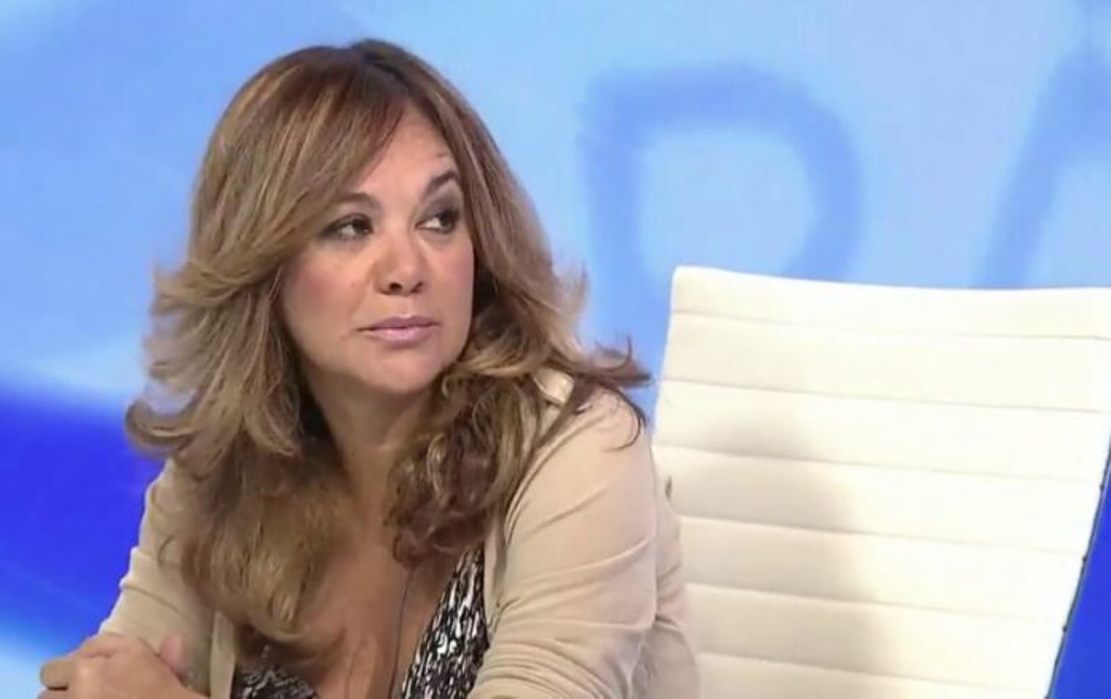

Caracas.- La experta en procesos electorales y profesora de Democracia y Elecciones de la Universidad Central de Venezuela, Eglée González- Lobato, afirma que la oposición en este momento no representa un reto para la administración del presidente Nicolás Maduro y aboga por la renovación de su liderazgo.
“En este momento, no es un peligro para Maduro. Él acaba de decir ciertamente que hay un descontento del país, pero el liderazgo opositor perdió representatividad, no logró obtener éxito en las elecciones del pasado mes de noviembre, pudiendo lograrlo”, dijo González-Lobato en entrevista a La Prensa de Táchira publicada este viernes.
La analista también es crítica en cuanto a la falta de unidad de los partidos de oposición, así como de su aparente falta de estrategia y mensaje programático.
“Una oposición dividida no es capaz de ganarle a Nicolás Maduro ¿Qué tiene que hacer la oposición? La oposición tiene que jugar muy inteligentemente de una manera como no lo ha hecho hasta ahora. La oposición tiene que girar en su estrategia política y mientras más rápido lo haga, mejor. Si los actores políticos no tienen una organización, un mensaje positivo, algo programático, una presentación clara de lo que quieren, simplemente no se van a poner de acuerdo”, comenta.
¿Es necesaria la renovación de los liderazgos y partidos políticos?
Claro. La renovación de los partidos tiene que llevar a la renovación del ejercicio de la política. No puede ser que los partidos se sigan negando a incorporar a las mujeres en sus equipos directivos. No puede ser que los partidos no incluyan a las minorías del país. Dentro de los partidos hay grupos de ciudadanos que promueven el cambio, la renovación y hay grupos que se oponen a esos cambios y eso se puede ver en toldas políticas como Voluntad Popular, Primero Justicia, el MAS, Un Nuevo Tiempo, Acción Democrática, que hoy en día es parte del problema y no de la solución. Lo que sí queda en evidencia es que los partidos políticos divididos no hacen el trabajo que la sociedad venezolana necesita.
¿Son necesarias unas primarias dentro de la oposición?
Tiene que haber una unidad de propósito, además de una propuesta de país que esté ligada con los valores democráticos, que retomemos la alternabilidad en el poder y eso puede ser a través de un mecanismo que no necesariamente sean las primarias, porque las primarias han tenido un problema histórico, que es que siempre favorecen a los partidos con mayor maquinaria.
¿Tiene la oposición un candidato fuerte para unas presidenciales?
Más allá de un candidato, lo que la oposición no tiene es una propuesta y un diseño de país inclusivo, donde participen todas las fuerzas políticas, se tienen visiones de país, pero han sido visiones desde una parte de la sociedad y no todas. En este momento no hay una generación de confianza para ver quién puede realmente presentar un modelo de democracia, un modelo económico que sea exitoso, que realmente lleve al país hacia una agenda de desarrollo y crecimiento sostenible.
¿Iniciaría nuevamente la persecución contra los partidos políticos, o podría ser una estrategia del gobierno devolver las tarjetas de las organizaciones a las que se les nombró juntas ad hoc?
Yo creo que no va a devolver tarjetas porque ya el precio lo pagó, va a dejarle eso a la oposición, es decir, la oposición que vaya a resolver lo que pasa en los partidos, me imagino que va a dejar que Acción Democrática, Primero Justicia, Voluntad Popular resuelvan entre ellos esa situación a través de elecciones internas de cada uno. En cuanto a la persecución es lo mismo que pasa en Nicaragua, es un riesgo que corremos, por eso es que siempre hay que insistir en una ruta hacia el 2024, retomar una agenda de negociación y tener cierta certeza de lo que pudiera ocurrir en la política.
¿Se debilitó el sector oficialista en Venezuela?
No los veo debilitados. Creo que también deben tener problemas internos, pero tienen disciplina. Por supuesto que es más difícil entender qué es lo que pasa en el PSUV, pero creo que ellos tienen una verticalidad que impide que haya una disociación entre las filas del PSUV.
Siguenos en
Telegram,
Instagram,
Facebook y
Twitter
para recibir en directo todas nuestras actualizaciones