


EEUU impulsa acceso a reasentamiento y movilidad laboral para migrantes
"Nuestro objetivo es firmar una Declaración regional sobre migración en junio en Los Ángeles, cuando Estados Unidos será sede de la Cumbre de las Américas"


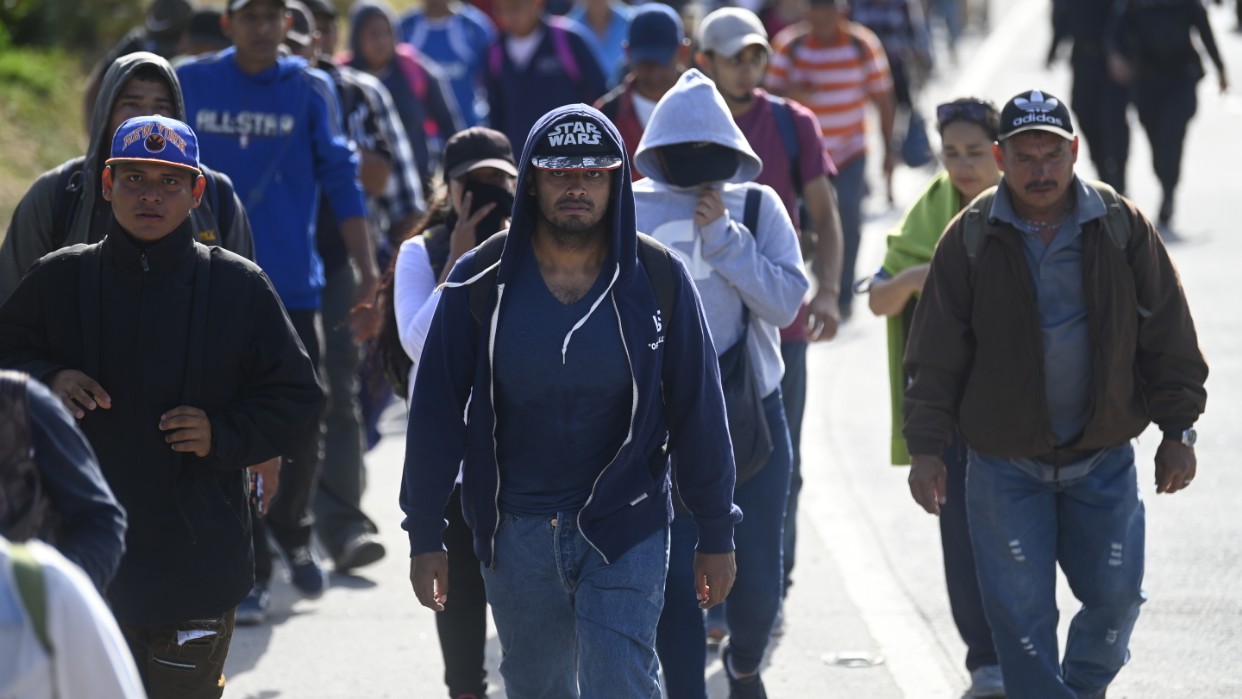

Washington.- Estados Unidos impulsa programas de reasentamiento de refugiados y posibilidades de movilidad laboral para migrantes en las Américas, iniciativas que espera plasmar en un nuevo marco para el manejo colectivo de la migración en la región, adelantó el viernes una funcionaria de la Casa Blanca.
"Nuestro objetivo es firmar una Declaración regional sobre migración en junio en Los Ángeles, cuando Estados Unidos será sede de la Cumbre de las Américas", dijo a periodistas Katie Tobin, principal asesora de inmigración del presidente Joe Biden, reseñó AFP.
"Trabajaremos con los gobiernos y otras partes interesadas clave en los próximos meses para desarrollar este marco", agregó, destacando que Colombia, Canadá y México ya comprometieron su apoyo.
Biden pidió el jueves un nuevo acuerdo migratorio regional al recibir a su par colombiano, Iván Duque, a quien elogió por acoger a unos 1,8 millones de venezolanos y concederles un estatus de protección temporal para facilitar su integración social.
Según Biden, el nuevo enfoque debe "ampliar drásticamente" el acceso al reasentamiento y otras vías legales para la migración, así como "perseguir agresivamente" a los traficantes de personas.
"Como dijo el presidente Biden, los desafíos migratorios hemisféricos no pueden ser resueltos por una sola nación, o en una sola frontera. Tenemos que trabajar juntos", afirmó Tobin.
Explicó que una forma de fortalecer el reparto de responsabilidades y reducir la migración irregular es ofrecer "vías seguras y más humanas" a través del reasentamiento de refugiados.
"Buscaremos ver cómo Estados Unidos y otros gobiernos pueden proporcionar un conducto para los refugiados venezolanos a través de programas formales de reasentamiento", señaló la funcionaria estadounidense.
Venezuela, gobernada por el socialista Nicolás Maduro desde 2013, vive una crisis política, social y económica que ha forzado en los últimos años la salida del país de más de 6 millones de personas, la mayoría a países vecinos. Colombia recibió la mayor parte, seguido de Perú (1,2 millones), Ecuador (508.000) y Chile (448.000), según la ONU.
La movilidad laboral por vías legales es otro aspecto a considerar, indicó Tobin, destacando que la escasez de mano de obra en países como Estados Unidos, pero también Canadá y México, puede ser una oportunidad para quienes dejan su país para encontrar trabajo.
"Buscaremos involucrar a otros gobiernos de la región para ver cómo podemos trabajar juntos en la creación de canales formales para oportunidades para trabajadores temporales", afirmó.
Tobin resaltó que la región de las Américas enfrenta una crisis migratoria histórica, con un estimado de 7 millones de personas desplazadas entre Venezuela y otras poblaciones.
Estados Unidos registró que 1,7 millones de personas ingresaron ilegalmente desde México entre octubre de 2020 y septiembre pasado desde México, un récord histórico. La mayoría provenía de El Salvador, Honduras y Guatemala.
"Nuestro objetivo es firmar una Declaración regional sobre migración en junio en Los Ángeles, cuando Estados Unidos será sede de la Cumbre de las Américas", dijo a periodistas Katie Tobin, principal asesora de inmigración del presidente Joe Biden, reseñó AFP.
"Trabajaremos con los gobiernos y otras partes interesadas clave en los próximos meses para desarrollar este marco", agregó, destacando que Colombia, Canadá y México ya comprometieron su apoyo.
Biden pidió el jueves un nuevo acuerdo migratorio regional al recibir a su par colombiano, Iván Duque, a quien elogió por acoger a unos 1,8 millones de venezolanos y concederles un estatus de protección temporal para facilitar su integración social.
Según Biden, el nuevo enfoque debe "ampliar drásticamente" el acceso al reasentamiento y otras vías legales para la migración, así como "perseguir agresivamente" a los traficantes de personas.
"Como dijo el presidente Biden, los desafíos migratorios hemisféricos no pueden ser resueltos por una sola nación, o en una sola frontera. Tenemos que trabajar juntos", afirmó Tobin.
Explicó que una forma de fortalecer el reparto de responsabilidades y reducir la migración irregular es ofrecer "vías seguras y más humanas" a través del reasentamiento de refugiados.
"Buscaremos ver cómo Estados Unidos y otros gobiernos pueden proporcionar un conducto para los refugiados venezolanos a través de programas formales de reasentamiento", señaló la funcionaria estadounidense.
Venezuela, gobernada por el socialista Nicolás Maduro desde 2013, vive una crisis política, social y económica que ha forzado en los últimos años la salida del país de más de 6 millones de personas, la mayoría a países vecinos. Colombia recibió la mayor parte, seguido de Perú (1,2 millones), Ecuador (508.000) y Chile (448.000), según la ONU.
La movilidad laboral por vías legales es otro aspecto a considerar, indicó Tobin, destacando que la escasez de mano de obra en países como Estados Unidos, pero también Canadá y México, puede ser una oportunidad para quienes dejan su país para encontrar trabajo.
"Buscaremos involucrar a otros gobiernos de la región para ver cómo podemos trabajar juntos en la creación de canales formales para oportunidades para trabajadores temporales", afirmó.
Tobin resaltó que la región de las Américas enfrenta una crisis migratoria histórica, con un estimado de 7 millones de personas desplazadas entre Venezuela y otras poblaciones.
Estados Unidos registró que 1,7 millones de personas ingresaron ilegalmente desde México entre octubre de 2020 y septiembre pasado desde México, un récord histórico. La mayoría provenía de El Salvador, Honduras y Guatemala.
Siguenos en
Telegram,
Instagram,
Facebook y
Twitter
para recibir en directo todas nuestras actualizaciones