


El Día de la Mujer en Venezuela estará acompañado de movilizaciones y actividades culturales en su día
En Caracas habrá una jornada de movilización de 9:00 a.m. hasta las 5:00 p.m. en la Plaza Carabobo, frente al Ministerio Público. En el transcurso de la mañana exigirán el cese de las revictimizaciones y retardos procesales


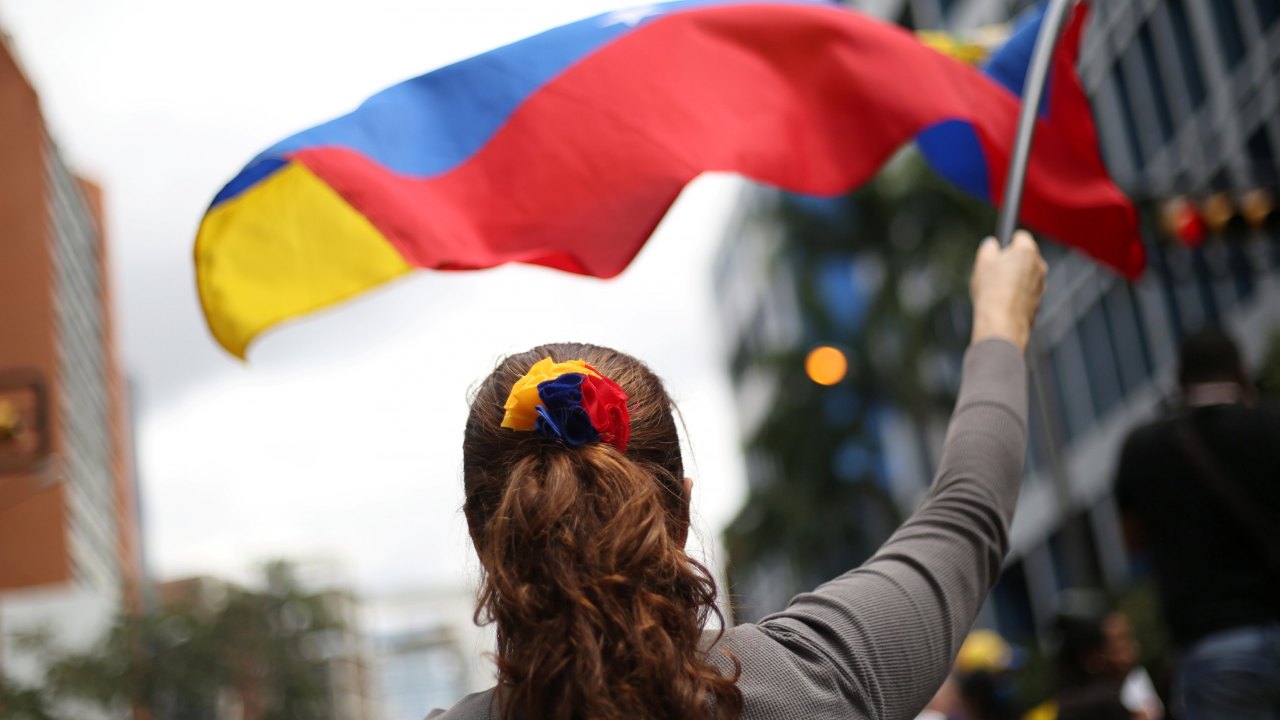

Caracas.- Cada 8 de marzo se celebra el Día Internacional de la Mujer, formalizado por las Naciones Unidas en 1975. En Venezuela la fecha se conmemorará con una variada programación de eventos culturales y movilizaciones en todo el país.
En Caracas habrá una jornada de movilización de 9:00 a.m. hasta las 5:00 p.m. en la Plaza Carabobo, frente al Ministerio Público. En el transcurso de la mañana un conjunto de organizaciones feministas venezolanas harán un plantón frente al ministerio para exigir el cese de las revictimizaciones, retardos procesales y supuestos códigos de vestimenta al momento de intentar acceder al sistema de justicia de las mujeres, niñas y adolescentes.
La iniciativa surgió desde el movimiento Mujeres en Lucha, quienes exigirán al gobierno de Nicolás Maduro la implementación de la Ley Orgánica sobre el Derecho de las Mujeres a una Vida Libre de Violencia (LODMVLV). También solicitarán reforzar medidas a favor de la mujer en el mercado laboral.
A la par de esta jornada se realizará una segunda concentración en la Plaza El Venezolano, a las 9:00 a.m., con el propósito de acompañar a Yudenis Sánchez, trabajadora de FUNDAUNELLEZ, adscrita a la Universidad Nacional Experimental de los Llanos Occidentales Ezequiel Zamora, hasta la sede de la Oficina de Planificación del Sector Universitario (OPSU). El grupo introducirá un petitorio en la OPSU con el caso de Sánchez, quien fue víctima de acoso y agresión sexual en su trabajo.
Seguidamente, en el transcurso de la tarde, se continuará con las actividades planeadas en la Plaza Carabobo donde se realizará una asamblea pública para debatir una agenda feminista. Con el encuentro se buscará dar a conocer las principales exigencias del feminismo venezolano en cuanto al aborto, el salario, los feminicidios y transfeminicidio.
La asamblea será guiada por la coalición de organizaciones feministas Mujeres contra la Violencia en las que participan iniciativas como la organización Tinta Violeta y el grupo feminista Uquira.
Como parte del Día Internacional de la Mujer, además, se realizarán actividades culturales, conversatorios, talleres y cursos. La Embajada de Francia en Venezuela celebrará la fecha con un concierto de obras de cámara, Compositoras de los siglos XIX, XX y XXI. Bajo la dirección artística de la compositora Diana Arismendi, se realizarán dos funciones: el martes 8 de marzo en el Trasnocho Cultural a las 4:30 p.m., y el viernes 11 de marzo, a las 3:00 p.m., en la Sala Fedora Alemán del Centro Nacional de Acción Social por la Música. Ambos eventos serán de entrada gratuita.
Por su parte, la alcaldía de Baruta celebrará a la mujer el sábado 12 de marzo con un concierto de El Sistema junto a la Embajada de Polonia y la pianista Anna Miernik. Se realizará en la Concha Acústica de Colinas de Bello Monte, a las 7:00 pm, y será de entrada libre.
En Caracas habrá una jornada de movilización de 9:00 a.m. hasta las 5:00 p.m. en la Plaza Carabobo, frente al Ministerio Público. En el transcurso de la mañana un conjunto de organizaciones feministas venezolanas harán un plantón frente al ministerio para exigir el cese de las revictimizaciones, retardos procesales y supuestos códigos de vestimenta al momento de intentar acceder al sistema de justicia de las mujeres, niñas y adolescentes.
La iniciativa surgió desde el movimiento Mujeres en Lucha, quienes exigirán al gobierno de Nicolás Maduro la implementación de la Ley Orgánica sobre el Derecho de las Mujeres a una Vida Libre de Violencia (LODMVLV). También solicitarán reforzar medidas a favor de la mujer en el mercado laboral.
A la par de esta jornada se realizará una segunda concentración en la Plaza El Venezolano, a las 9:00 a.m., con el propósito de acompañar a Yudenis Sánchez, trabajadora de FUNDAUNELLEZ, adscrita a la Universidad Nacional Experimental de los Llanos Occidentales Ezequiel Zamora, hasta la sede de la Oficina de Planificación del Sector Universitario (OPSU). El grupo introducirá un petitorio en la OPSU con el caso de Sánchez, quien fue víctima de acoso y agresión sexual en su trabajo.
Seguidamente, en el transcurso de la tarde, se continuará con las actividades planeadas en la Plaza Carabobo donde se realizará una asamblea pública para debatir una agenda feminista. Con el encuentro se buscará dar a conocer las principales exigencias del feminismo venezolano en cuanto al aborto, el salario, los feminicidios y transfeminicidio.
La asamblea será guiada por la coalición de organizaciones feministas Mujeres contra la Violencia en las que participan iniciativas como la organización Tinta Violeta y el grupo feminista Uquira.
Charlas y conciertos
Como parte del Día Internacional de la Mujer, además, se realizarán actividades culturales, conversatorios, talleres y cursos. La Embajada de Francia en Venezuela celebrará la fecha con un concierto de obras de cámara, Compositoras de los siglos XIX, XX y XXI. Bajo la dirección artística de la compositora Diana Arismendi, se realizarán dos funciones: el martes 8 de marzo en el Trasnocho Cultural a las 4:30 p.m., y el viernes 11 de marzo, a las 3:00 p.m., en la Sala Fedora Alemán del Centro Nacional de Acción Social por la Música. Ambos eventos serán de entrada gratuita.
Por su parte, la alcaldía de Baruta celebrará a la mujer el sábado 12 de marzo con un concierto de El Sistema junto a la Embajada de Polonia y la pianista Anna Miernik. Se realizará en la Concha Acústica de Colinas de Bello Monte, a las 7:00 pm, y será de entrada libre.
¡Concierto en conmemoración al Día de la Mujer! 💗
— Alcaldía de Baruta (@AlcaldiaBaruta) March 6, 2022
El sábado #12Mar presentaremos un concierto del Sistema Nacional de Orquestas junto a la Embajada de Polonia y la pianista Anna Miernik.
📍Concha Acústica de Colinas de Bello Monte
🕖7:00PM.
🎫 Entrada libre. pic.twitter.com/7f2rXgMOQm
En el municipio Chacao también se conmemorará el día con una variada programación en la Biblioteca Los Palos Grandes. Este martes se realizará una charla motivadora sobre el Lenguaje Positivo con el facilitador Ramón Santo Máster, coach en Programación Neurolingüística y Motivación. Seguidamente, habrá un recital llamado "Poesía de mujer para mujeres" con la licenciada Mercedes Guánchez. Ambos eventos se realizarán a partir de las 10:00 a.m.
Luego, los días viernes 11, sábado 12 y domingo 13 de marzo Cultura Chacao, junto con Tapete Teatro, llevará a cabo la actividad "Humanas". El encuentro contará una variada programación que incluye teatro, foros, música, artes plásticas, maquillaje corporal, yoga, asesoría legal y educación sexual.
Luego, los días viernes 11, sábado 12 y domingo 13 de marzo Cultura Chacao, junto con Tapete Teatro, llevará a cabo la actividad "Humanas". El encuentro contará una variada programación que incluye teatro, foros, música, artes plásticas, maquillaje corporal, yoga, asesoría legal y educación sexual.
Siguenos en
Telegram,
Instagram,
Facebook y
Twitter
para recibir en directo todas nuestras actualizaciones