



Laboratorios Farma rinde homenaje a la mujer en su mes y lo celebra con su primera carrera 10K y caminata 5K “Todos corremos con Ultrafemmenina”, que se realizará el próximo 27 de marzo de 2022 en el municipio Chacao, estado Miranda, bajo la organización de Runners Venezuela.
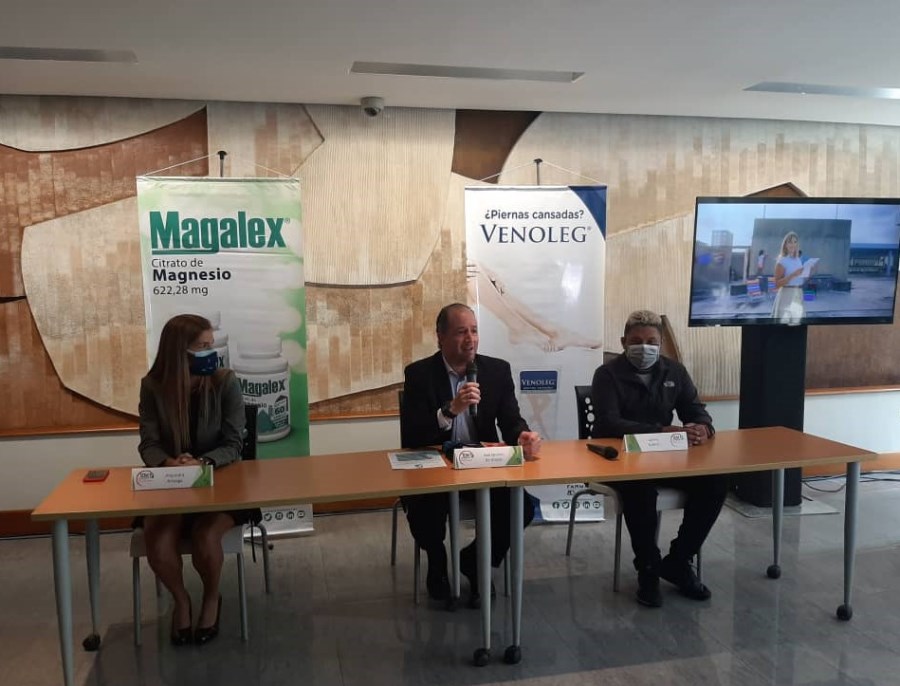
En rueda de prensa llevada a cabo en la sede de la empresa farmacéutica, José Ignacio de Oteyza, gerente País de Laboratorios Farma, destacó la importancia de esta competencia para el entorno de la empresa. “Estas actividades nos conectan directamente con nuestra gente, con nuestros consumidores. Es otra manera de cuidar nuestra salud. El objetivo de la carrera es ofrecer esparcimiento al aire libre, compartir en familia y mostrar nuestra admiración a las mujeres en su mes. Por eso, Farma siempre estará cuidándote muy de cerca desde todos los espacios que sean necesarios”.
Se espera una asistencia aproximada de 500 competidores, quienes a partir de las 7:00 a.m. partirán de Los Palos Grandes, a la altura de Parque Cristal, hasta llegar a Chacaíto, a través de la Avenida Francisco de Miranda, pata devolverse al punto inicial, ruta que deberán cumplir en dos oportunidades para completar los 10 kilómetros. La caminata iniciará a las 7:15 a.m.
Sanmy Subero, director de Runners Venezuela, anunció que las inscripciones para la carrera estarán abiertas hasta el 25 de marzo y tendrán un costo de 25 dólares, mientras que para la caminata será de 20 dólares. Los interesados en participar pueden inscribirse en www.runnersvenezuela.com y www.laboratoriosfarma.com.
El día de la competencia, los corredores tendrán a su disposición un importante dispositivo de seguridad, hidratación y refrigerios. Adicionalmente, antes de la premiación y para completar lo que será un domingo diferente y especial, se llevará a cabo una clase magistral de zumba, dirigida por Johana Angulo, instructora de Zumba Fitness.

A lo largo de sus 80 años de existencia, Laboratorios Farma ha contribuido con la educación médica continua y con la salud de todos los venezolanos, gracias a la producción de medicamentos manufacturados bajo los estándares de calidad y la última tecnología disponible. www.laboratoriosfarma.com Redes Sociales: Instagram: @laboratoriosfarma.ve y Facebook: Laboratorios Farma.
En rueda de prensa llevada a cabo en la sede de la empresa farmacéutica, José Ignacio de Oteyza, gerente País de Laboratorios Farma, destacó la importancia de esta competencia para el entorno de la empresa. “Estas actividades nos conectan directamente con nuestra gente, con nuestros consumidores. Es otra manera de cuidar nuestra salud. El objetivo de la carrera es ofrecer esparcimiento al aire libre, compartir en familia y mostrar nuestra admiración a las mujeres en su mes. Por eso, Farma siempre estará cuidándote muy de cerca desde todos los espacios que sean necesarios”.
Se espera una asistencia aproximada de 500 competidores, quienes a partir de las 7:00 a.m. partirán de Los Palos Grandes, a la altura de Parque Cristal, hasta llegar a Chacaíto, a través de la Avenida Francisco de Miranda, pata devolverse al punto inicial, ruta que deberán cumplir en dos oportunidades para completar los 10 kilómetros. La caminata iniciará a las 7:15 a.m.
Sanmy Subero, director de Runners Venezuela, anunció que las inscripciones para la carrera estarán abiertas hasta el 25 de marzo y tendrán un costo de 25 dólares, mientras que para la caminata será de 20 dólares. Los interesados en participar pueden inscribirse en www.runnersvenezuela.com y www.laboratoriosfarma.com.
El evento también cuenta con el patrocinio por Magalex, Calcibón Supra y Venoleg. En cuanto a las categorías son las que siguen, tanto en masculino como femenino: Absoluto, Juvenil (16 a 19 años), Libre (20 a 29 años), Sub-Máster (30 a 39 años), Máster A (40 a 49 años), Máster B (50 a 59 años), Máster C (60 a 69 años), Máster D (70 años y más) y Silla de rueda convencional (18 años y más)
Se repartirá un total de 4.040 dólares en premios y los tres primeros de cada categoría recibirán recompensa en metálico y una medalla especial.
La entrega de los kits para la carrera será el día 26 de marzo, en la plazoleta del Centro Comercial El Parque o Torre Movistar, de 9:00 a.m. a 3:00 p.m.
La entrega de los kits para la carrera será el día 26 de marzo, en la plazoleta del Centro Comercial El Parque o Torre Movistar, de 9:00 a.m. a 3:00 p.m.
El día de la competencia, los corredores tendrán a su disposición un importante dispositivo de seguridad, hidratación y refrigerios. Adicionalmente, antes de la premiación y para completar lo que será un domingo diferente y especial, se llevará a cabo una clase magistral de zumba, dirigida por Johana Angulo, instructora de Zumba Fitness.
Comprometidos socialmente
Laboratorios Farma, como parte de su compromiso social, donará parte de lo recaudado por concepto de inscripciones de la carrera a la Fundación Vístete de Sueños, que tiene como objetivo trabajar con mujeres vulnerables y de muy bajos recursos, que vivan en Caracas, con poca o ninguna formación académica. Esta organización busca capacitarlas, brindarles herramientas y mejorar su autoestima, para que alcancen su independencia económica a través de un oficio que les permita insertarse en el mercado laboral, de manera independiente o formal.
Laboratorios Farma, como parte de su compromiso social, donará parte de lo recaudado por concepto de inscripciones de la carrera a la Fundación Vístete de Sueños, que tiene como objetivo trabajar con mujeres vulnerables y de muy bajos recursos, que vivan en Caracas, con poca o ninguna formación académica. Esta organización busca capacitarlas, brindarles herramientas y mejorar su autoestima, para que alcancen su independencia económica a través de un oficio que les permita insertarse en el mercado laboral, de manera independiente o formal.
A lo largo de sus 80 años de existencia, Laboratorios Farma ha contribuido con la educación médica continua y con la salud de todos los venezolanos, gracias a la producción de medicamentos manufacturados bajo los estándares de calidad y la última tecnología disponible. www.laboratoriosfarma.com Redes Sociales: Instagram: @laboratoriosfarma.ve y Facebook: Laboratorios Farma.
Siguenos en
Telegram,
Instagram,
Facebook y
Twitter
para recibir en directo todas nuestras actualizaciones